04 Feb 2026
smol’s hygiene poverty resource - a cheat sheet:
- Hygiene poverty affects students across the UK
- Many teachers say they’ve never had training on how to talk about it
- We’ve created a free, practical conversation framework that helps answer the question: “What do I actually say - without making it worse?”
- Developed with education experts, including Dr Sam Wass, UEL & the NAHT
- Supported through smol's Suds in Schools
(Free to download. Created for UK teachers and school staff)
One of the many issues with hygiene poverty is that it likes to keep hidden and isn’t often discussed.
For a child at school, hygiene poverty can look like “sports avoidance” (skipping games lessons for fear of bulling or shame around unwashed PE kit), withdrawing from classmates or simply just not turning up for school at all. And school staff are often the first to notice a problem, many will say the same thing: that they haven’t been guided in how to approach this issue.
So with the help of education experts, we decided to create a hygiene poverty resource for teachers.
the hard conversation.
Talking to a child or their family about hygiene poverty can feel tricky. For good reason. Teachers must be mindful of:
- Safeguarding
- Dignity
- Family circumstances
- Stigma with classmates
It can feel unclear how or where to start the conversation and it also might not seem obvious what should actually be said.
That’s exactly why this resource can help. It’s designed to support teachers with guidance that is appropriate to school life.
what’s in the resource?
- What hygiene poverty is, and how it can show up in the classroom
- How to approach a child sensitively and without stigma
- What to say (and what not to say)
- How to respond when a child asks for help
- Handling peer comments and protecting a child’s dignity
- How to framing hygiene poverty with a class
- How to support families and provide further help
Suds in Schools.
One of the strongest themes we hear from teachers that we work with via our Suds in Schools scheme isn’t so much surprise at the existence of hygiene poverty… it’s more the shock at how much difference the right support (like our free-to-use mini launderettes) can make.
“The washing machine and capsules have truly been a fantastic resource, something we didn’t realise we needed until we had them.” UK school teacher.
That insight gained from our machine placement via Suds in Schools led us to the idea of this guide as another helpful resource for school staff.
It isn’t about asking teachers to do more, or adding another responsibility to already full plates. It’s to offer something practical that’s informed by what schools are already experiencing.
developed with education experts.
This resource was developed with experienced voices from across education, alongside teaching professionals and school leaders.
It was authored in collaboration with Professor Sam Wass, Anna Gawthorpe and Alice Reedy, Primary and Early Years PGCE, University of East London, Martin Ellory, Reception Teacher, Childeric Primary and NAHT, the school leaders’ union.
The aim is to give guidance that’s evidence-informed, but grounded in the realities of school life.
how Suds in Schools helped.
Some of what shaped this resource comes from listening to schools involved in Suds in Schools (smol’s initiative supporting pupils affected by hygiene poverty).
Suds in Schools helps schools by providing:
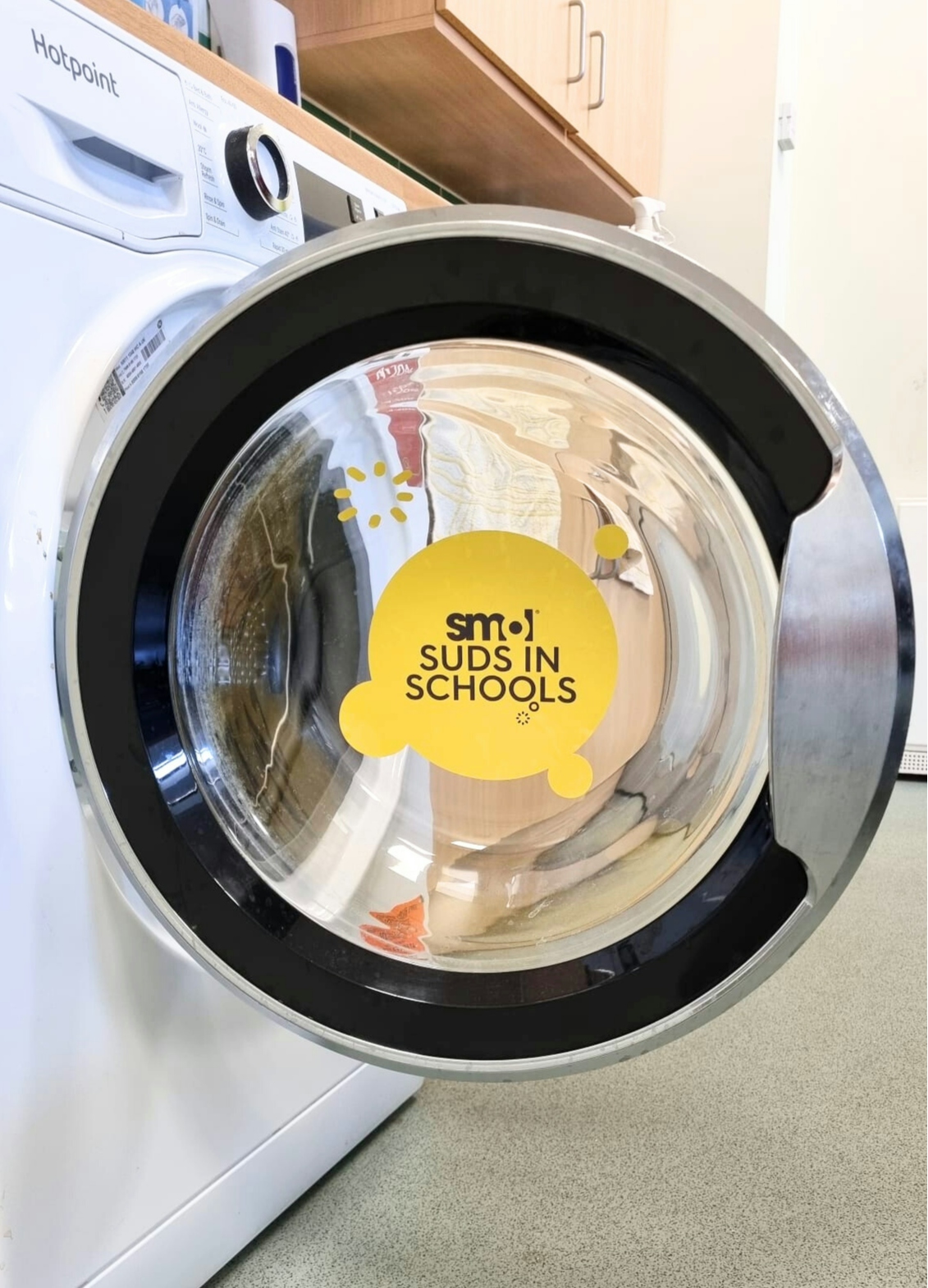
- free, in-school laundry facilities
- ongoing laundry capsule supply
- Ongoing advice and support for the schools
- a discreet, dignified way to support families
“It has allowed us to discreetly support families who struggle with access to clean clothing, ensuring pupils can come to school feeling comfortable, confident, and ready to learn.” UK school teacher
In fact, in schools with Suds in Schools sites, staff often describe changes that go beyond laundry alone.
“Having clean, fresh uniform available helps maintain pupils’ self-esteem and removes any stigma associated with accepting donations.”
“It has relieved financial and emotional pressure for families, and helped remove barriers to engagement.”
“Our families are engaging more with school.”
These insights have helped shape this hygiene poverty resource for teachers.
hygiene poverty resource FAQs.
who is this resource for?
UK teachers and school staff working with children and families in primary and secondary settings.
is the resource free?
Yes. The PDF is completely free to download.
do I need to be part of Suds in Schools to use it?
No. The resource is useful for any school, whether or not you have a Suds in Schools site.
does this replace safeguarding guidance?
No. The resource complements existing safeguarding policies and should be used alongside your school’s procedures.
can I share the resource with colleagues?
Yes, it’s designed to be shared within schools.
can I nominate a school for the Suds in Schools scheme?
Absolutely. Please do so here.