16 Feb 2026
Teaching your child to clean up after themselves… do we dare to dream?
But honestly, giving kids chores isn’t just about getting help with the laundry or unloading the dishwasher when asked. It’s about teaching life skills, building confidence, and helping them understand the satisfaction of a job well done.
Want to know how to get them started?
Let’s break it down with some handy examples of age-appropriate chores, the best ways to motivate them, and how to make it less uphill struggle, more team effort.
when are kids ready for chores?
Some children are natural helpers (tiny humans love to copy us), while others need a bit more time and encouragement. But broadly speaking most kids can start with very simple tasks, like tidying up a few toys, around ages 3 or 4.
- Start small.
- Keep it consistent.
- Celebrate every win (even if it’s just one toy brick in a box).
why chores are great for kids.
Chores teach responsibility, independence, handy life skills and potentially the value of earning (if you’re paying pocket money for chores).
They also show that being part of a household means everyone pitches in.
best chore guide according to age.
under 4s.
These guys probably just want to do everything you’re doing… so let them join in. Try to keep it playful and fun. Sing songs. Do it together. Dance it out.
- Putting toys away
- Brushing their teeth (with supervision!)
- Putting on their shoes
- Adding clothes to the laundry basket
- Turning off the iPad when asked (big ask, we know)
4 - 5 year olds.
They’ve probably started school but they’re still eager to help and they’re also starting to take pride in their efforts. Maybe let them make their own tidy-up playlist?
- Helping hang up laundry
- Folding small items like tea towels
- Setting the dinner table
- Carrying shopping bags
- Putting dirty dishes by the sink
6 - 9 year olds.
This age group can broadly cope with a little more responsibility and as they become more capable they’re often keen to show it.
- Making the bed
- Tidying their bedroom
- Putting away their clothes
- Doing homework when asked (ideally without a meltdown)
- Getting their school bag ready for the next day
10 - 12 year olds.
Bigger kids can take on bigger tasks and this is also a great age to introduce pocket money (although link it to consistent effort rather than perfection).
- Making their own breakfast
- Vacuuming their room
- Putting away dry laundry
- Loading and unloading the dishwasher
- Feeding pets
- Dusting
- Gardening (raking leaves, light weeding)
and for those tricky teens?
At this stage, they’re mini adults. Which means… full chores, please.
- Doing their own laundry (yes, really)
- Making breakfast and lunch
- Cooking dinner once a week
- Cleaning the bathroom
- Changing bed linen
- Taking out the bins/recycling
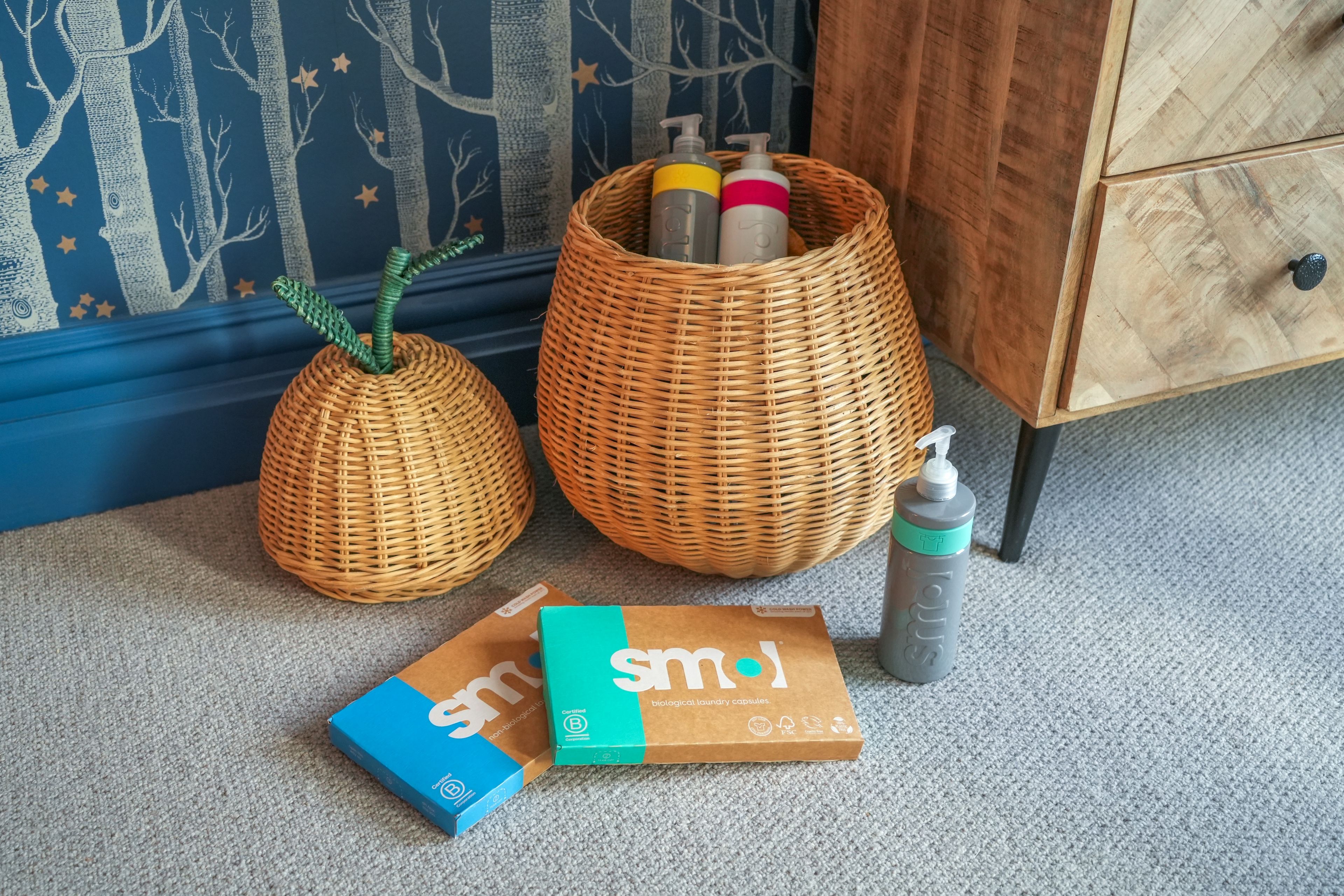
- Mowing the lawn or washing the car
and how many chores should kids have?
This is going to depend on their age, their schedule (school, hobbies etc), how many other children are in the household, and maybe also your expectations.
A good rule to try? One chore a day. Small things that build habits. You can add more over time.
If you’ve got multiple kids, a chore chart or rota works wonders. Take turns on the unpopular jobs. Stickers and simple rewards can go a long way, especially for younger ones.
motivation tips.
Here’s the secret to getting your child engaged in their chores. Find what motivates them.
If it’s receiving praise? Let them know you see their effort.
If it’s small rewards? Go for a sticker chart, or 10 minutes extra screen time. Or if they're saving up for something - tie any financial gains to their chores.
and finally.
Remember, some days it’s not going to go to plan. And when it’s all too much? Remind them (and yourself): you’re raising future flatmates, partners, and housemates. People who can cook, clean, and take care of themselves.
Total life goals. You’ve got this.