01 Dec 2022
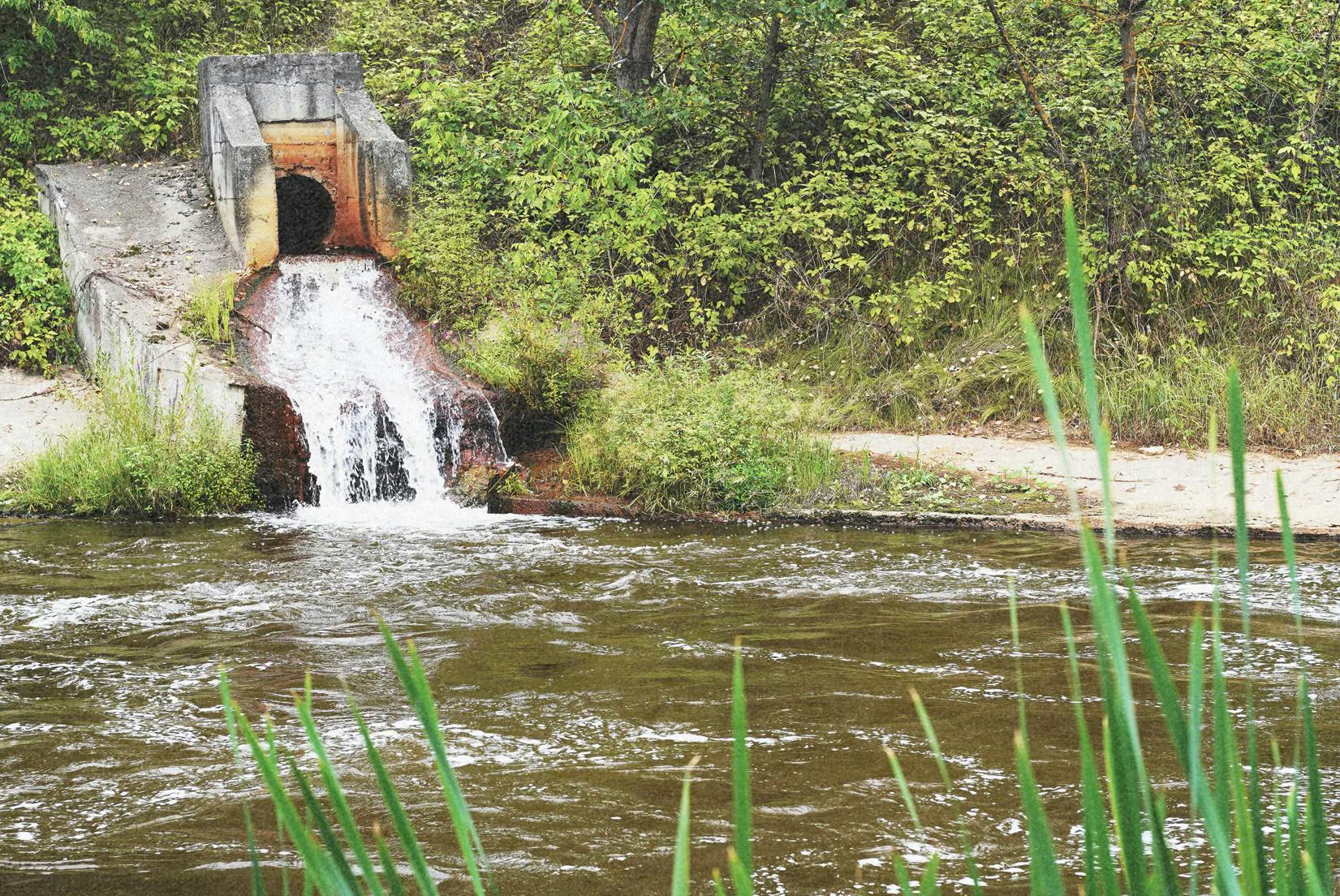
Toxic chemicals that do not biodegrade rinse down our drains and pour into our waterways daily; decimating biodiversity, suffocating fish and disrupting hormones. Household cleaning has led to dirty rivers…
The Environment Agency reported in 2020 that 100% of England’s rivers, lakes and waterways are polluted with synthetic chemicals related to human activity. Not one body of water met legal quality standards. The world has been rinsing toxins down its drains for decades.
Chemicals like perfluorooctane sulfonate (PFOS) and PBDE (a flame retardant) are now found everywhere around our river environments despite the fact they were in fact phased out years ago and banned globally. They still persist in our waterways at levels exceeding environmental standards.
The UK water Industry has found the main sources of river pollution were not from a single point but were mainly coming from households. Very persistent chemicals such as per- and polyfluorinated alkyl substances, PFAS, also known as ‘forever chemicals’, are used in a whole host of consumer products. They are rinsed down sinks in huge quantities daily from homes around the world, contaminating rivers and oceans for decades to come.
Of course the ocean is the final stop for PFAS as they migrate through the ecosystem. Once in the ocean, they can persist for decades and travel long distances. Scientific research now suggests marine wildlife are accumulating dangerous amounts of these “forever chemicals” and it’s thought they will travel right back to humans through the seafood we eat.
A reluctance to closely examine and be held accountable for their ingredient choices has enabled multinational cleaning brands to widely use cheap chemicals that don’t biodegrade. And our environment pays the price.
Discover how YOU can use 44% less chemical matter than Ariel when you wash your clothes with smol.