16 Apr 2026
Bird Feeder cleaning cheat sheet:
- Clean feeders & bird baths once a week
- Empty old food & scrub with hot soapy water
- Disinfect, rinse well, and let it fully dry
- Change bird bath water daily
- Don’t overfill feeders (little & often is best)
- In warmer months, press pause on seeds and peanuts
If your feed (or group chats) have been full of birds lately… you’re not imagining it.
There’s been a wave of headlines around bird diseases (turns out bumblefoot is a real word). And new guidance linked to the UK’s Big Garden Birdwatch has warned that feeders can become “hotspots for disease” if they’re not properly kept clean.
People are now wondering whether they should still feed the birds? What food should they feed them? And what can they do to protect their feathered friends?
The Royal Society for the Protection of Birds (RSPB) advice is simple:
- Keep feeders clean
- Keep food fresh
- Don’t overfill the bird buffet
Feeding birds the right way.
Alongside cleaning, there’s been a shift in advice around what to feed birds and when.
In warmer months (May to October).
- Pause seeds and peanuts
- Offer small amounts of mealworms, suet, and soft, high-protein foods
- Warmer weather means food spoils faster while feeders get busier
- It all increases the risk of disease spreading
- All at a time when actually birds naturally have more food available (like insects)
In colder months (November to April).
- A wider range of food is helpful again: seeds, peanuts and fat balls
- Natural food is scarcer
- Birds need more energy-rich fuel to get through winter
So now let’s look at how to keep those feeders (and baths) clean.
How to clean a bird feeder.
1. Empty it weekly.
Get rid of any old or damp food. Dispose of it where other animals/birds can’t access it.
2. Take the feeder apart (if you can).
This makes it much easier to clean properly and get into any nooks and crannies.
3. Scrub with hot soapy water.
smol Washing Up Liquid in hot water works well and old toothbrushes are great for reaching into any small gaps.
4. Disinfect.
Hot soapy water is an excellent first step, but wildlife experts recommend then using a disinfectant to fully protect against diseases like bumblefoot, salmonella, and trichomonosis. A diluted bleach solution (1 part bleach to 9 parts water) will work well here.
5. Rinse thoroughly.
Make sure no cleaning residue is left behind and let the feeder fully dry before you refill. Moisture is bacteria’s best friend. Remember to only add what the birds will eat in a day or two.
How to clean a bird bath.
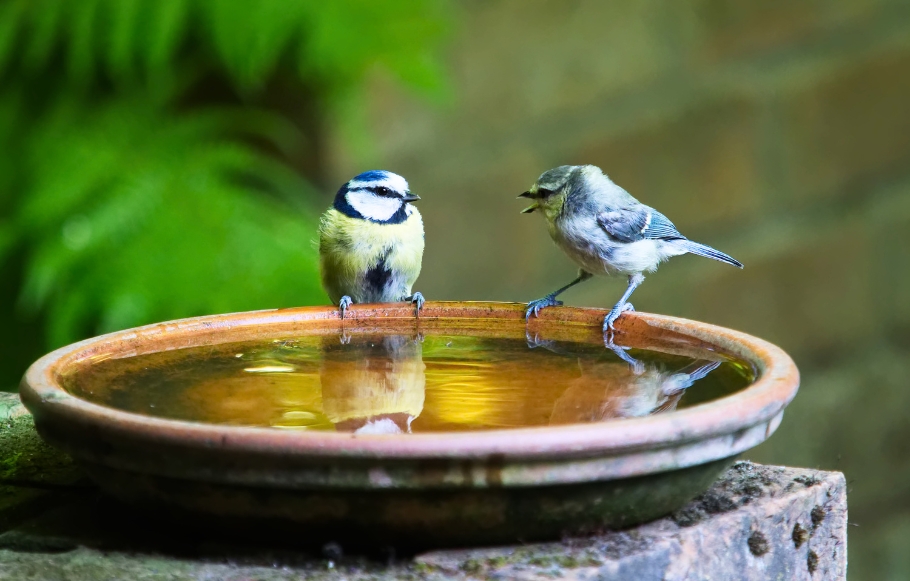
This one is easier so do it every few days (or daily in hot weather).
- Tip out the old water
- Scrub with hot water (an old dishbrush head works well)
- Rinse well
- Refill with fresh water
A few extra good habits.
- Move feeders around (this stops any build-up underneath)
- Clean up any fallen food or droppings
- Keep food dry and fresh
- If birds look unwell, stop feeding for a couple of weeks and clean everything thoroughly
The takeaway.
Feeding birds is still a lovely thing to do. A quick clean each week means you’re still providing a helping hand without turning your garden into a health hazard.

Catherine Green, Cleaning Expert
Catherine has been on a mission to revolutionise the way we tackle chores since the dawn of smol and is an advocate for making more sustainable living accessible to all, with a strong focus in cleaning that’s heavy on dirt, lighter on the planet and gentle on the skin. Catherine has tested hundreds of hacks to make tackling chores easier, safer, and better for the planet and our homes.
ABOUT OUR AUTHORS