30 Dec 2025
Unwashed winterwear cheat sheet:
- 38% of Brits have NEVER washed their winterwear.
- Hats, scarves and gloves can harbour germs like E. coli and norovirus.
- Scarves are top offenders (worn close to noses/mouths where bacteria thrive).
- Wash winter clothes weekly (or after every use if someone’s ill).
- Air dry in winter sun (UV helps disinfect naturally).
- smol’s concentrated laundry capsules, liquid, stain gel and fab con make winter washes lighter on the planet and heavier on hygiene.
As temperatures drop, Britain’s winter wardrobes are waking up.
But apparently, the washing machines aren’t.
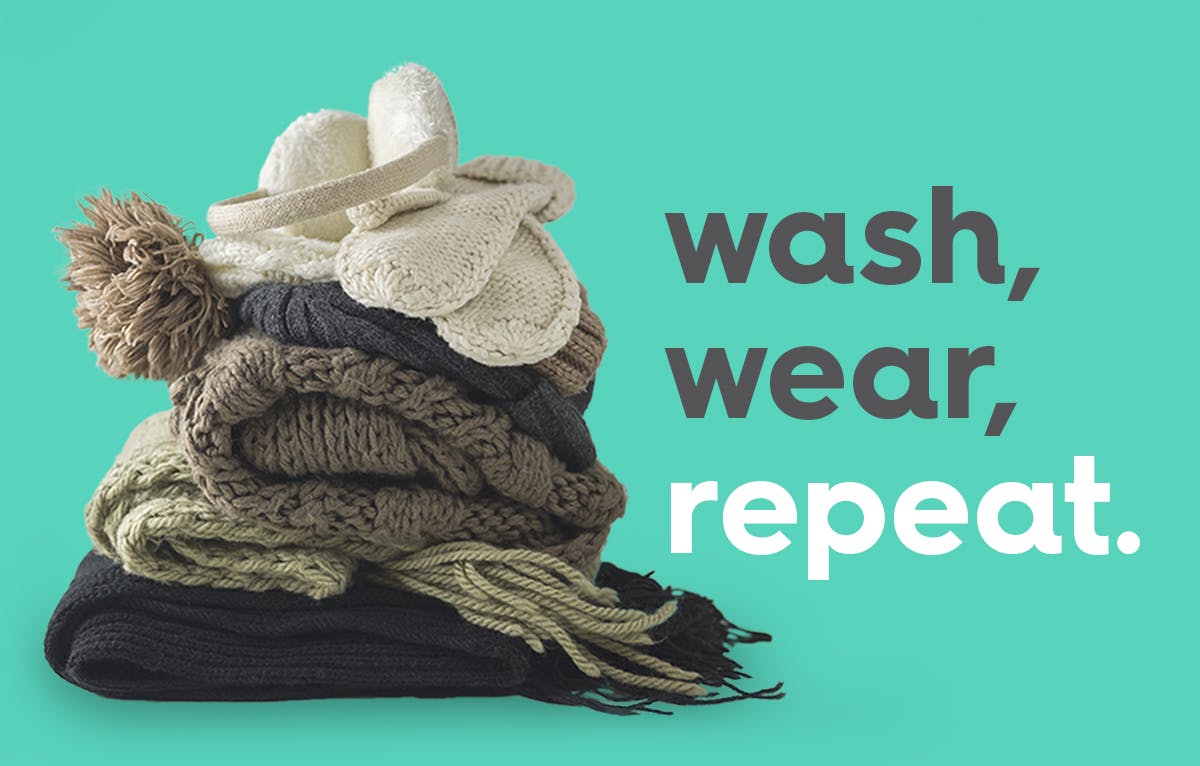
New research from the team here at smol has uncovered a chilling truth: nearly two in five people (38%) have NEVER cleaned their winter garments. We’re talking hats, scarves, gloves, and coats…all worn year after year without so much as a wipe down.
Germs galore.
With flu season looming, those unwashed warmers could be helping germs linger for longer.
“These frequently worn items are in contact with our skin, sweat, pollution and the daily grime of public transport, yet they’re routinely overlooked on laundry day,” explains Catherine Green, smol’s sustainable cleaning expert.
“Scarves in particular sit close to the nose and mouth; prime territory for bacteria and viruses that can increase the risk of illness.”
Top winterwear we never wash.
Item | % who wear weekly | % who never wash it |
Woolly hat | 55% | 31% |
Scarf | 46% | 25% |
Gloves | 70% | 31% |
Dressing gown | - | 15% men 7% women |
Weighted blanket | - | 38% of the over 60’s |
N.B. Gen Z lead the pack for unwashed winterwear with up to 34% skipping a clean for their ear muffs altogether while Millennials and Gen X are the most consistent washers.
But can dirty winter clothes make you sick?
The short answer is yes.
Winterwear comes into contact with your face, hands, and breath droplets every single day. Combine that with damp conditions and infrequent washing, and you’ve got a perfect place for germs like norovirus, E. coli and cold viruses to hang around.
Even gloves, which we often assume are protective, pick up germs just like bare hands.
“We’d never wear the same T-shirt for months without washing it,” says Green. “But many of us do exactly that with scarves, hats and coats. A simple wash could cut down on bacteria and help your winterwear last longer too.”
Winter laundry tips.
Here’s how to keep your cosy gear fresh, hygienic and ready for anything:
- Check the label first. Most winter items are fine on a wool or handwash cycle using gentle detergent like smol Laundry Liquid or Capsules.
- Wash items weekly if they are worn regularly and after each use if someone in the household has a cold or flu.
- Air dry in daylight whenever you can. The winter sun’s UV rays act as a natural disinfectant, and fresh air helps prevent musty smells.
- Don’t share scarves, hats or gloves and rotate sets so while one’s in the wash, another is waiting in readiness!
- Uncrumple gloves and let them breathe (germs love dark, damp coat pockets).
- Wool is naturally antibacterial, but if you’re vegan, synthetics are easier to care for and dry faster.
- Use smol Fabric Conditioner to keep knits soft and comfy, and tackle any stubborn stains with smol Stain Gel.
Washing winterwear FAQs.
How often should you wash winter accessories?
If worn often, wash weekly if they’re near your skin. If someone’s unwell, wash after each wear.
Can dirty winterwear make you sick?
Yes. Fabrics can harbour bacteria and viruses that spread when you touch your face or share items. Regular washing reduces your risk of flu and colds.
What’s the best way to wash hats and scarves?
Use a gentle wool or handwash cycle, cool water, and mild detergent like smol laundry liquid or capsules. Always air dry flat to avoid shrinkage.
Do gloves need washing?
Yes. Gloves collect germs from handles, phones and anything else we touch. Wash weekly and dry fully before wearing again.
How can I stop winterwear from smelling musty?
Don’t leave damp scarves or gloves bunched up. Hang them to air them after use.
In summary…
We want our winterwear to keep us warm but we don’t want it to come with a side order of microbes. Wash your items and make sure they dry out fully before rewearing.

Catherine Green, Cleaning Expert
Catherine has been on a mission to revolutionise the way we tackle chores since the dawn of smol and is an advocate for making more sustainable living accessible to all, with a strong focus in cleaning that’s heavy on dirt, lighter on the planet and gentle on the skin. Catherine has tested hundreds of hacks to make tackling chores easier, safer, and better for the planet and our homes.
ABOUT OUR AUTHORS