23 Feb 2026
recycling rules cheat sheet:
- From March 2026, councils must collect the same recycling throughout England
- Every household will have food waste, recycling and general waste collections
- Food waste must be collected weekly and free of charge
- Paper, card, glass, metal and plastic will all be collected (together or separately)
- Plastic bags and plastic film are added later, in March 2027
Let’s give three cheers because recycling rules are about to get… simpler (finally).
From 31 March 2026, recycling across England is getting a long-overdue tidy-up. Councils will be collecting the same core materials everywhere, which means less postcode confusion and a much clearer idea of what goes where.
The guidance itself is written for waste collectors BUT the upside is for all of us at home. Easier recycling, done properly and with far less guesswork. It’s well overdue because not all products come in packaging that’s as simple to recycle as smol products!
why are the rules changing?
Recycling is a local lottery. What’s accepted on one street can be rejected on the next.
The new Simpler Recycling system is designed to:
- standardise what councils collect
- reduce contamination (wish-cycling)
- make recycling easier to get right
will you be fined for getting recycling wrong?
You may have seen headlines claiming households could face £400 fines for putting the wrong thing in the recycling. That’s not correct. You can read exactly why here.
But in a nutshell:
What’s changing is what councils are required to collect. Items listed as “not collected” aren’t banned. They just belong in general waste.
Any penalties (that already exist) only apply in rare cases of persistent, deliberate misuse, and are usually only enforced after several official warnings. There is no new criminal fine for household recycling mistakes.
So, if you’re recycling thoughtfully and following guidance, you’re doing exactly what’s expected. So no need for panic.
what you’ll have to separate at home.
From March 2026, councils must collect the following waste streams from all households:
1. food waste.
Collected every week for free. You’ll usually get:
- a small kitchen caddy
- a larger outdoor bin
- liners are optional (but a good idea)
2. garden waste.
- it will be collected if you opt in (and usually pay)
- it can be collected on its own or with food waste
- if collected with food waste, the service must still be weekly
3. paper and card.
- cardboard
- newspapers
- paper packaging
This may be collected on its own or mixed up with other dry recycling. Both methods of collection are allowed and it will be up to your council to decide which they use. It’s where most of our packaging goes if you have laundry capsule, dishwasher tablet or other tablet refill plans with us such as multi purpose spray, foaming handwash, floor cleaner or bathroom spray.
4. dry recycling.
- glass bottles and jars
- tins and cans
- plastic packaging (including cartons)
Councils can collect these all together in one container, or they may require that you split them into separate streams. Either way, they must be collected. This is the stream into which you can place our smol carton refills for washing up liquid, laundry liquid, fabric conditioner and stain gel.
Top tip: Metal lids can stay on glass jars. They’ll get separated later and if you leave them screwed onto the jars, they are less likely to get lost.
5. general waste.
That leaves everything else! Anything that can’t be recycled will be sent to energy recovery (to be incinerated) or landfill.
what still does NOT go in the recycling…
Don’t put these in the recycling:
- drinking glasses, vases, Pyrex or oven dishes
- mirrors or window glass
- ceramics or crockery
- pots, pans and cutlery
- electrical items or batteries (they can be recycled at many large stores)
- laminated foil pouches (like pet food or coffee)
- “compostable” or “biodegradable” plastics (including pods)
- polystyrene packaging
- tissues, wet wipes or toilet paper
- cotton wool or makeup pads
- nappies or period products
and what’s coming in March 2027?
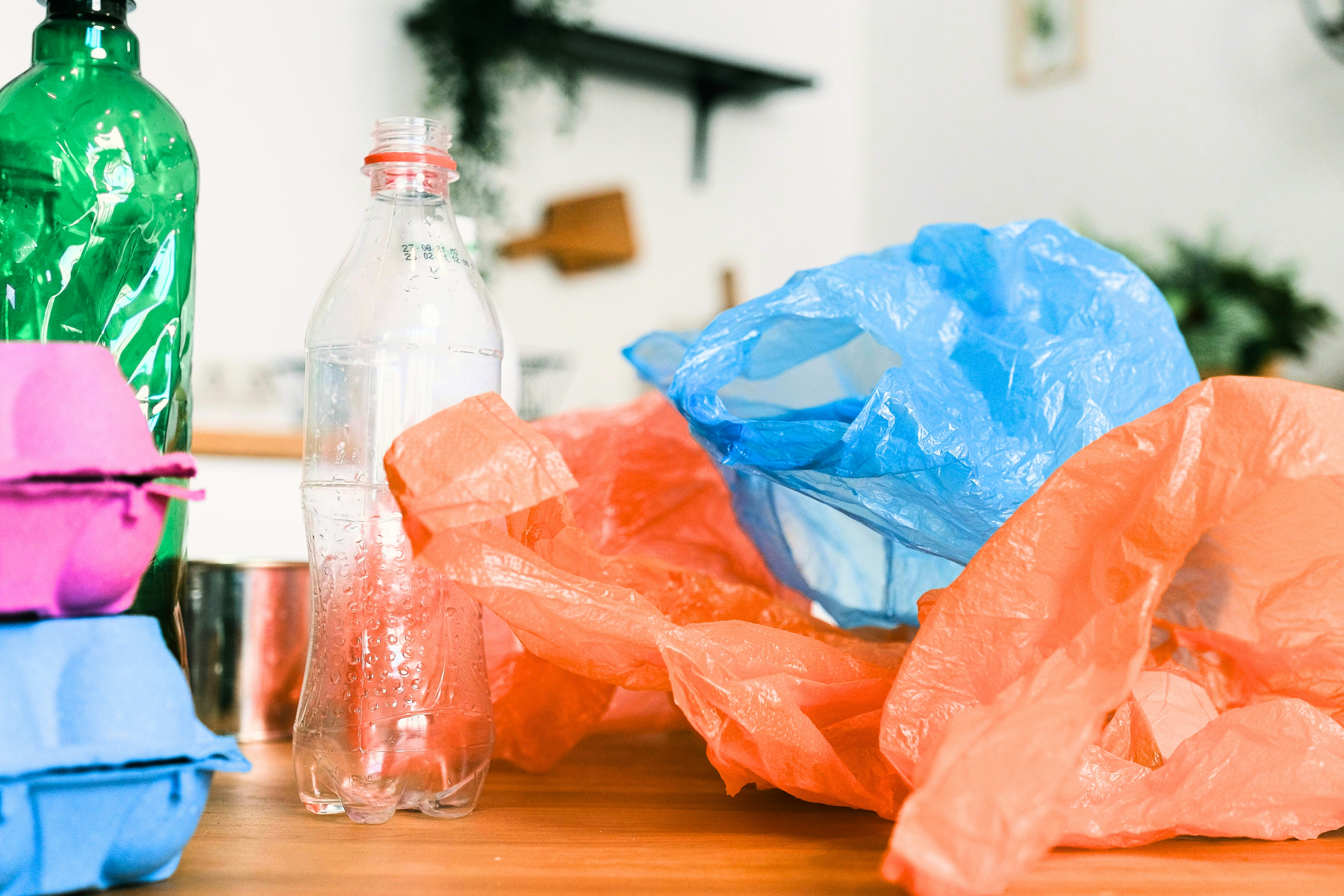
From 31 March 2027, councils will also collect plastic bags and plastic film. Think bread bags, crisp packets and cling film. These items will all be joining kerbside plastic recycling (at last).
These clearer rules should mean less contamination, more materials turned into new things and less recycling ending up in the bin. Which is better for all of us and the planet.
FAQs.
when do the new recycling rules start?
31 March 2026 for most households in England. Some councils may have short transitional periods, but dry recycling collections must be in place by then.
will every council collect recycling the same way?
They must collect the same materials, but it could be via separate bins or combined containers.
do I have to use food waste liners?
No. Liners are optional. Councils may recommend certain types, but they’re not required.
can I put compostable packaging in food waste?
No. Even if it says “compostable” or “biodegradable”, packaging does not belong in food waste.
do I need to wash my recycling?
You don’t need to scrub it so it’s spotless but a quick rinse or wipe is enough. Recycling should be empty and free from leftover food or liquid. Any heavily soiled items can contaminate whole batches.
should I leave labels on bottles and jars?
Yes. Labels are designed to be removed during the recycling process, so there’s no need to peel them off.
do I need to remove lids?
Metal lids can stay on glass jars and bottles and plastic lids should usually stay on plastic bottles. Loose lids are more likely to get lost during sorting.
can I recycle items inside other items?
No. Recycling needs to be loose, not stacked inside each other so don’t put a bottle inside a box for example.
what should I do if I’m not sure an item is recyclable?
If you’re unsure, the safest option is general waste because putting the wrong item in recycling can do more harm than good by contaminating the whole load.
are plastic bags recyclable yet?
Not until March 2027. Until then, follow your local guidance.
does this apply to flats?
Yes. All households, including flats and communal buildings, must be included.