27 Mar 2026
Plastic detox cheat sheet:
- “Plastic detox” means reducing daily exposure to plastics where possible
- The trend has grown after documentaries and new microplastics research
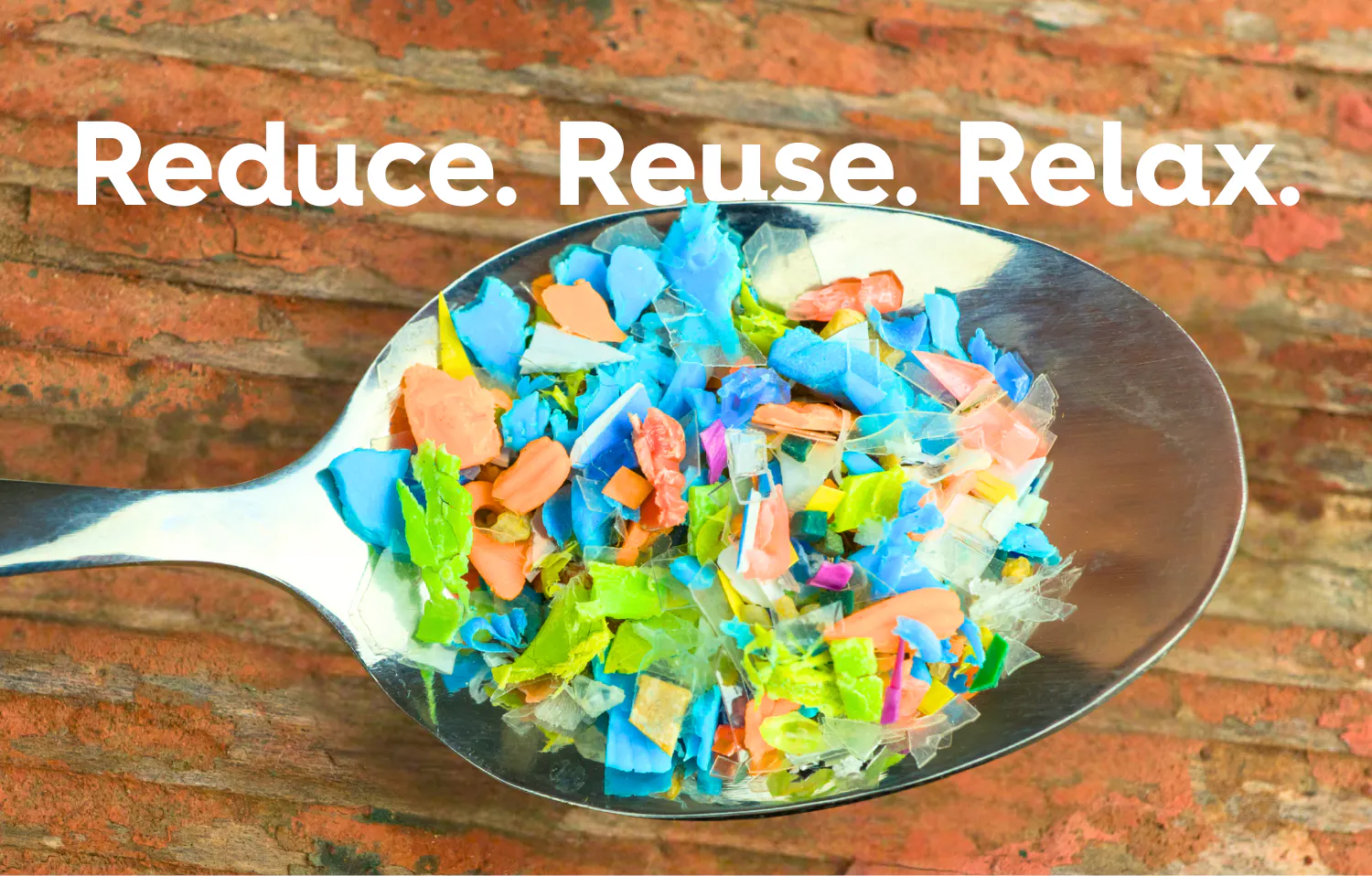
- Microplastics have been found in our air, food and water
- Scientists are still studying what this means for health
- Recycling alone isn’t solving plastic pollution
- Reducing and refilling often has a bigger impact
- Small swaps can lower plastic use without going extremes
From shocking news headlines to the recent Netflix documentary exploring microplastics and fertility, the phrase “plastic detox” is suddenly popping up everywhere.
It sounds dramatic. But it’s pretty simple.
A plastic detox doesn’t mean getting rid of plastic completely (that would be nearly impossible). It’s about cutting unnecessary plastic exposure where it’s easy for us to do so.
So… what is a plastic detox?
A plastic detox centres around the idea of cutting down on daily plastic use, especially:
- Single-use packaging
- Disposable bottles
- Heavily wrapped products
- Synthetic fabrics and fibres
- Unnecessary plastic accessories
The goal isn’t to remove plastic entirely. It’s to reduce avoidable plastic, particularly single-use items.
Why is this trend happening now?
A few things have come into play recently:

1. Microplastics are getting more attention.
Scientists have now found microplastic particles in our oceans, our soil and the air and also in our food and water.
Some studies estimate people may ingest tens of thousands of microplastic particles each year, (although the exact number varies widely depending on exposure).¹
And it’s important to remember that all this doesn’t automatically mean we’re in danger, but it has fuelled public interest and also more investigations.
2. Recycling doubts are growing.
Recycling does help somewhat with the plastic pollution problem, but it isn’t the answer:
- Plastic can only be recycled a certain number of times
- Only a small percent of all plastic actually gets recycled
- Recycling still takes energy and resources
Worldwide, only about 9% of plastic waste has ever been recycled, with the rest going to landfill, getting burnt or finding its way into the environment.²
So reducing plastic in the first place is a better starting point.
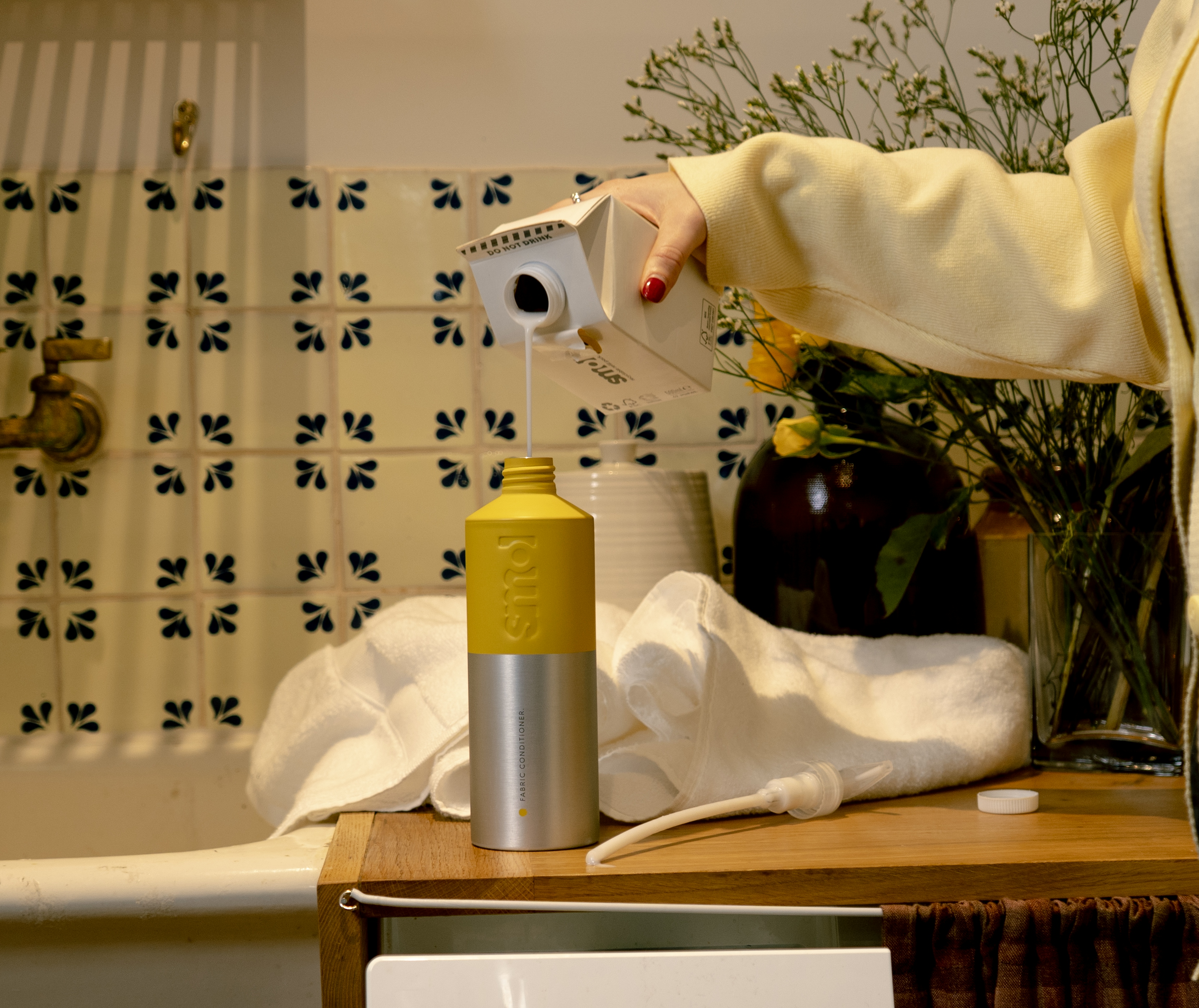
3. Refilling is becoming mainstream.
Refillable products and bottles-for-life are now easier to access than ever (hello smol).
Whether it’s Washing Up Liquid or Laundry Liquid that refill from cartons or Multi Purpose Spray or Foaming Handwash that refill using water from your tap and a tiny tablet.
Recently, plastic reduction around cleaning in the home feels more achievable.
What does a plastic detox actually look like?
It’s usually a handful of simple swaps:
- Swapping to refillable cleaning products
- Using bottles-for-life instead of single-use ones
- Buying concentrated products (less packaging, less shipped water)
- Switching from disposable to reusable items
- Avoiding unnecessary plastic accessories
It doesn’t mean changing everything overnight. It’s more about getting rid of the obvious waste first.
Don’t panic.
Plastic detox conversations can sound scary. And while most experts believe microplastic exposure is widespread and more research is needed, they also agree that our everyday changes should be practical and NOT stressful.
So.. we don’t need to throw everything out. We can just make smarter swaps over time.
Reducing plastic beats recycling.
Recycling is useful, but the biggest impact usually comes from using less plastic in the first place.
Plastic packaging counts for around 40% of total plastic produced, much of which is single-use.³
No wonder refillable products and bottles-for-life are becoming so popular.
smol things make a big difference.
A plastic detox isn’t about being perfect. When it comes to cleaning it’s about:
- Fewer bottles
- Fewer refills shipped as liquid
- More concentrated products
- Longer-lasting packaging
Plastic detox FAQs.
What is a plastic detox?
A plastic detox is the idea of reducing unnecessary plastic use in daily life, especially single-use packaging.
Must I remove plastic completely?
No. That’s not realistic. The aim is to reduce avoidable plastic, not eliminate it entirely.
Are microplastics dangerous?
Scientists are still studying this. Microplastics have been detected in the environment and in humans, but the health impact is still being researched.
Does recycling solve plastic pollution?
Recycling helps, but plastic can only be recycled a limited number of times. Reducing and reusing plastic usually has a bigger impact.
What are the easiest plastic detox swaps?
Refillable products, bottles-for-life, concentrated formulas, and reducing single-use packaging.
Is a plastic detox expensive?
Not necessarily. Many refill systems and concentrated products can actually reduce packaging and shipping, which may help lower costs over time.
¹ Human Consumption of Microplastics. Environmental Science & Technology, 2019.
² UNEP, Global plastic waste analysis, 2018.
³ OECD Global Plastics Outlook, 2022.

Catherine Green, Cleaning Expert
Catherine has been on a mission to revolutionise the way we tackle chores since the dawn of smol and is an advocate for making more sustainable living accessible to all, with a strong focus in cleaning that’s heavy on dirt, lighter on the planet and gentle on the skin. Catherine has tested hundreds of hacks to make tackling chores easier, safer, and better for the planet and our homes.
ABOUT OUR AUTHORS