06 Mar 2026
the smol cheat sheet.
- Cleaning products are mostly water
- What actually cleans is the chemical dry matter
- Big brands rarely tell you how much of it you’re using
- We test it because dose matters
- The result? Less chemicals per clean
Chemical dry matter testing… four words you’ve probably never put together in a sentence. But here at smol we’re all over them.
So what is it?
what is dry matter testing?
Dry matter testing measures how much actual cleaning chemical is in a product once all the added water and fragrance is removed. In other words, it tells you how many grams of chemicals are in a dose.
It’s a good way of evening the playing field between products because it has nothing to do with:
- How big the bottle is
- How many bubbles it makes
- How strong it smells
It’s simply about the cleaning and allows us to compare products fairly and honestly, dose for dose.
why dry matter matters.
Most household cleaning products are diluted with water. Often heavily.
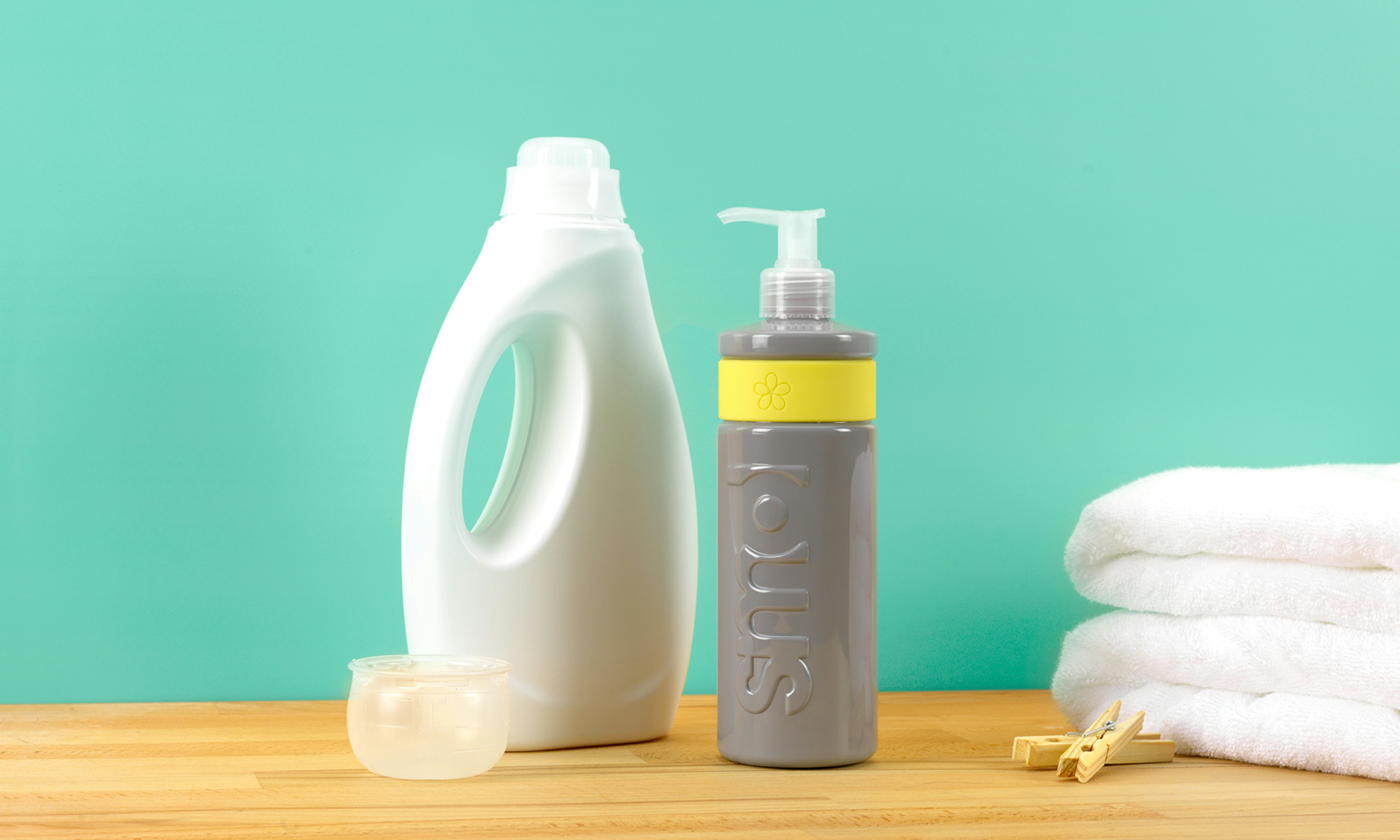
Most laundry liquids are sadly not super concentrated like smol’s laundry liquid and laundry capsules. Estimates range from between 60% to 90% water in big brand laundry liquid formulations.¹ All pretty crazy.
Washing up liquids similarly tend to be 65%-90% water in their basic formulas (the rest being surfactants, thickeners, fragrance, etc.).² And many popular all-purpose surface sprays clock in at around 93-94% water content.³
Which all goes to say:
- Bigger bottles don’t always mean more cleaning performance
- You may be using more chemicals than you need
Dry matter testing cuts through that by answering the question: how much chemical am I actually using per clean?
why we started dry matter testing.
We started dry matter testing because we wanted to:
- Make products that were concentrated
- Reduce unnecessary chemical use
- Ensure we weren’t over-dosing
- Be transparent about what’s in a wash
- Keep our formulations focused on performance
why big brands don’t talk about dry matter.
Dry matter testing does something awkward. It exposes dilution.
Our testing shows that some big brands inflate dose sizes of laundry liquids for example by up to 54%. Part of that increase is chemical but a lot of it is just water.
Bigger doses can make products look more powerful without being better and you’re also transporting heavier products around with higher carbon footprints.
Once you measure chemical dry matter, you can’t hide behind bottle size (no matter how big it is!). That’s likely why it’s rarely shared.
chemical dry matter testing shows…
Product | smol vs big brands |
6.7g less chemicals per wash | |
5.8g less chemicals per wash | |
5.8g less chemicals per wash | |
0.6g less chemicals per wash | |
0.5g less chemicals per wash | |
49g less chemicals | |
5g less chemicals | |
10g less chemicals | |
2.05g less chemicals |
And in more satisfying stats:
- smol laundry liquids are up to 45% more concentrated than big brands
- smol laundry liquids use up to 10% less chemicals per wash (grams of dry matter)
but does using less chemicals affect cleaning performance?.
Nope. Because this isn’t about stripping down formulas until they are no longer effective.
Here at smol we always prioritise cleaning performance first and then look at concentration.
That’s how we create products that are:
- Effective at low temperatures
- Strong on stains and grease
- Lighter on skin and our waterways
- Generate less waste.
The takeaway?
If a product looks powerful because it’s bigger, makes more bubbles or has an overpoweringly strong smell….it’s worth asking if it’s actually doing more, or just diluted differently?
FAQs: dry matter testing.
what does “chemical dry matter” mean?
Chemical dry matter is the solid cleaning content left behind once all water and fragrance is removed from a product. It shows how much actual cleaning chemical is in a dose.
is dry matter testing the same as ingredient safety testing?
No. Dry matter testing measures quantity, not toxicity. It tells you how much chemical you’re using, not whether an ingredient is safe or unsafe.
why don’t brands usually share dry matter results?
Because it highlights dilution and overdosing. Once chemical grams are visible, it’s harder to justify large doses or watered-down formulas.
does less chemical mean weaker cleaning?
Not when products are formulated properly. Concentrated products can clean just as effectively with smaller doses and smol has the testing results to prove this.
why do big brands recommend larger doses?
Larger doses are necessary due to the excessive product dilution used in big brands. It can make products appear more powerful, but they also increase chemical use and carbon unnecessarily.
is dry matter testing better for the planet?
Using fewer chemicals per clean reduces: chemical runoff, shipped water, overall use of resources.
¹ STTP Group 2026
² Yeser Chemicals 2023
³ IUPAC 2021

Nay Gulsan, Regulatory & Compliance Manager
Nay is smol’s Regulatory Expert, specialising in regulations, safety, formulation and detergent science. She started her journey as a formulation chemist and has since conquered the technical field from toiletries, detergents and home fragrance. A nerdy know-it-all, passionate about doing the right thing, Nay is the expert in this space.
ABOUT OUR AUTHORS