07 Jul 2026
Grass stains cheat sheet:
- Act quickly if you can because fresh grass stains are easier to remove.
- Don't rub the stain, as this can push it deeper into the fabric.
- Pre-treat before washing for best results.
- Use a bio detergent if possible, as enzymes help break down grass stains.
- Wash at 20-40°C and check the stain before tumble drying.
- Never use high heat until the stain has completely disappeared.
If you play sports outside, have kids or pets, there’s a good chance you’ll encounter grass stains.
Frustratingly, they're one of the trickiest stains to remove.
That’s because grass isn't just one stain. It’s a mix of things BUT, there’s good news…
You don't need fancy tricks to get grass stains out of clothes the easy way.
What makes grass stains hard to remove?
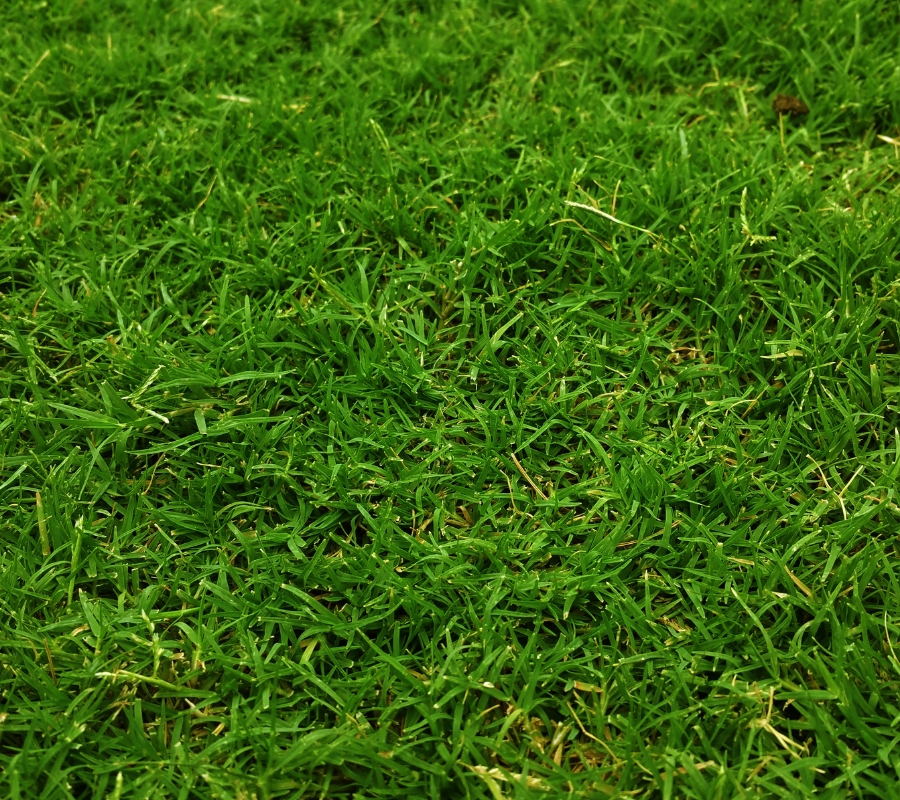
Unlike other common stains, grass itself is made up of different things:
- Chlorophyll (the green pigment)
- Plant proteins
- Natural oils and waxes
- Soil and dirt
So a quick rinse with water is often not enough.
How to remove fresh grass stains.
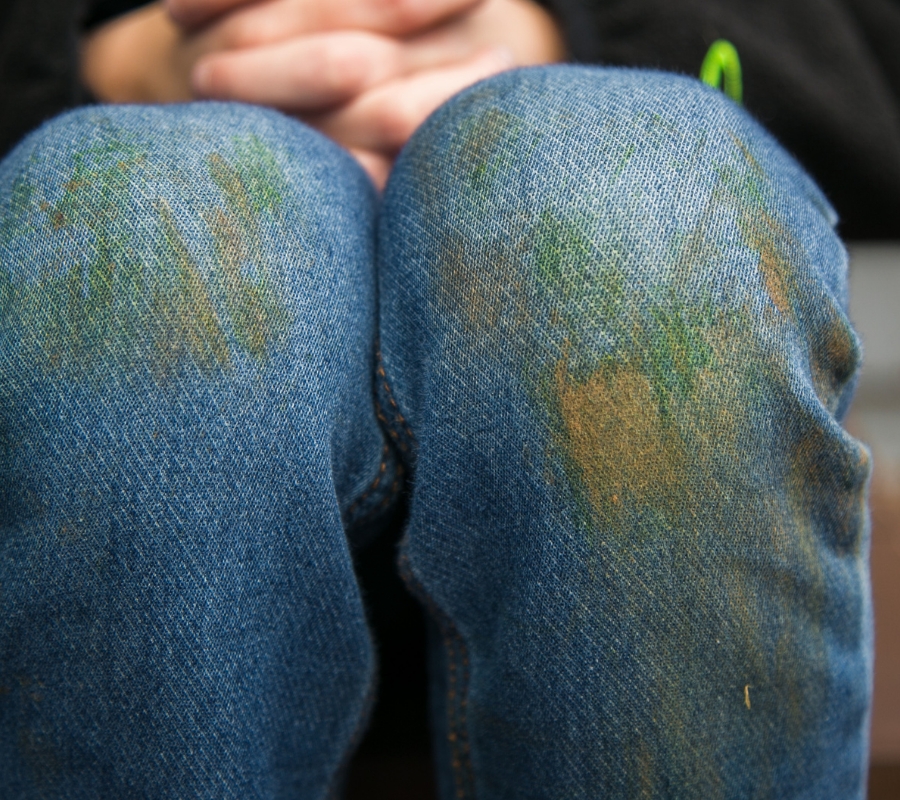
If the stain is still fresh:
- Gently brush away any loose dirt.
- Wet the area and apply smol Stain Gel directly to the stain.
- Leave it to work for a few minutes.
- Wash as normal with smol Bio or Non-Bio according to care label instructions.
- Check the stain has faded before drying.
Important: don't put the item in the tumble dryer until you're sure the stain has gone because heat can set the stain and make it much harder to remove.
How to remove dried grass stains.
Dried grass stains can still be removed.
- Wet the stain and apply smol Stain Gel directly to it.
- Gently work it into the fabric.
- Leave for 10-15 minutes.
- Wash using a smol Bio Laundry Capsule or Bio Laundry Liquid
- Repeat if necessary.
Older stains may need a second treatment, but they usually shift after a couple of tries.
Why the bio detergent?
Grass stains contain proteins and plant matter, which is where enzymes in a bio detergent can really help.
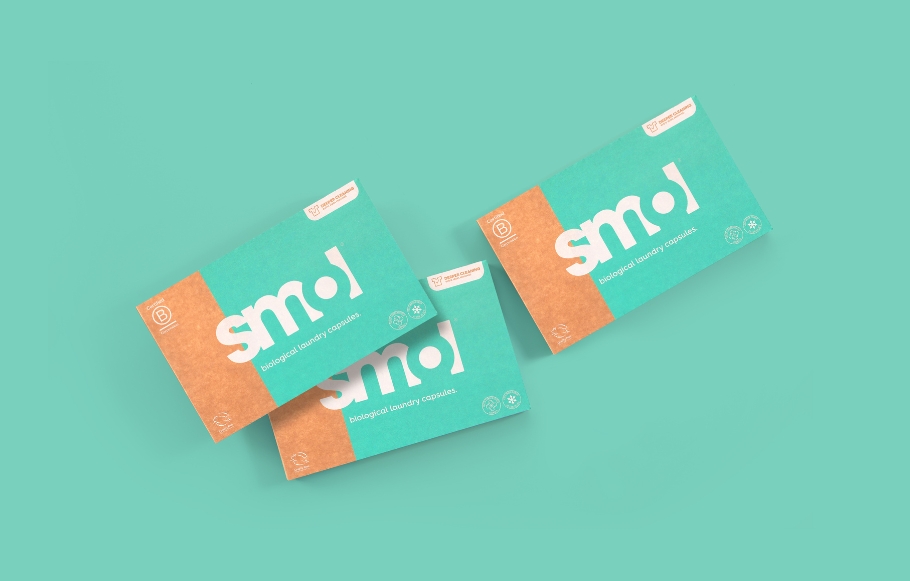
At smol, our Bio Laundry Capsules contain six hardworking enzymes.
1. Subtilisin (protease).
This protein-busting enzyme helps tackle stains like grass, sweat, blood and dairy products. If your laundry basket contains PE kits, school uniforms or gardening clothes, subtilisin is your friend.
2. Cellulase.
Cellulase as a fabric refresher. It helps release dirt trapped within cotton fibres and keeps fabrics looking brighter and fresher for longer.
3. Lipase.
This clever enzyme is brilliant at tackling greasy and oily stains.
4. Amylase.
Targets starch-based stains from foods like gravy, sauces and ice cream.
5. Mannanase.
This one is here to break down tricky food stains such as ketchup, chocolate and toothpaste.
6. Phosphodiesterase.
Last but not least.. a newer enzyme that targets invisible body grime, helping tackle lingering body odours, dullness caused by sweat and skin cells along with those annoying yellow stains that appear on collars and cuffs.
What NOT to do when removing grass stains.
- Don't rub aggressively.
- Don't use hot water straight away.
- Don't tumble dry before checking the stain.
- Don't give up after one wash if the stain is old.
Sometimes a second treatment is all that's needed.
Yes, grass stains can be stubborn, but remember… they're not invincible.
Grass stains FAQs.

Catherine Green, Cleaning Expert
Catherine has been on a mission to revolutionise the way we tackle chores since the dawn of smol and is an advocate for making more sustainable living accessible to all, with a strong focus in cleaning that’s heavy on dirt, lighter on the planet and gentle on the skin. Catherine has tested hundreds of hacks to make tackling chores easier, safer, and better for the planet and our homes.
ABOUT OUR AUTHORS