06 Aug 2026
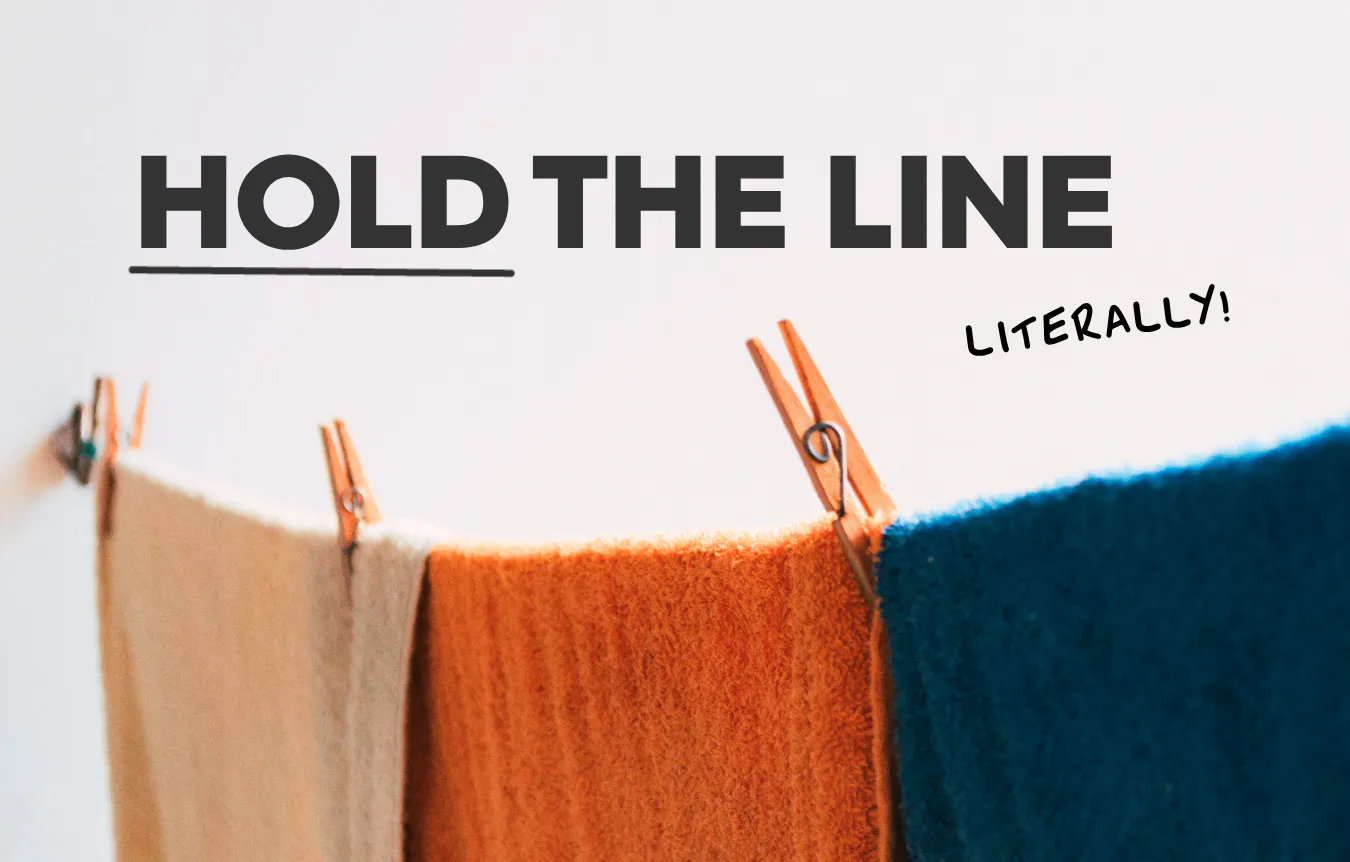
Clothes pegs cheat sheet:
- Plastic pegs: cheap and colourful, but can be brittle and short-lived.
- Wooden pegs: renewable and compostable (if untreated), but can warp, crack and weaken with moisture.
- Stainless steel pegs: built to last a lifetime, strong + rust-resistant, but energy-intensive to make upfront and expensive to buy.
Clothes pegs matter.
They might be tiny… but think about how many pegs you’ve snapped, lost, or binned over the years. Multiply that by millions of households up and down the UK, and suddenly it’s not such a tiny thing.
So given the amount we all get through, which peg material holds up best for your laundry and the planet?
Let’s unclip the truth about plastic, wooden, and stainless steel pegs.
Plastic clothes pegs.
Pros: |
✅ Cheap and easy to find. |
Cons: |
❌ Standard plastic pegs snap easily in sun, cold, or after a few squeezes. |
On the line: Conventional plastic pegs have a short life and produce high amounts of waste. Ocean plastic versions are a step forward, but are still not perhaps the forever fix.
Wooden clothes pegs.
Pros: |
✅ Made from renewable resources like beechwood or bamboo. |
Cons: |
❌ Absorb moisture and can warp, swell, or go mouldy. |
On the line: Better than virgin plastic, but can still fall victim to weathering!
Stainless steel clothes pegs.
Pros: |
✅ Super long lasting: designed to last decades. |
Cons: |
❌ Higher carbon footprint to manufacture than wood. |
On the line: The heavyweight champion. Costs more at first, but they’ll likely be the last pegs you’ll ever buy.

And the winner is…
If you’re looking for a planet-friendlier peg that really goes the distance, stainless steel is going to be hard to beat.
BUT if you’re on a budget, untreated wooden pegs are still a decent (and compostable) option.
Clothes pegs FAQS.

Catherine Green, Cleaning Expert
Catherine has been on a mission to revolutionise the way we tackle chores since the dawn of smol and is an advocate for making more sustainable living accessible to all, with a strong focus in cleaning that’s heavy on dirt, lighter on the planet and gentle on the skin. Catherine has tested hundreds of hacks to make tackling chores easier, safer, and better for the planet and our homes.
ABOUT OUR AUTHORS