21 Aug 2026
Microfibre vs cotton cleaning cloths cheat sheet:
- Microfibre cloths are made from plastic
- When washed, they can release thousands of microplastic fibres
- Around 35% of ocean microplastics come from washing synthetic textiles¹
- These fibres are too small to be filtered out in wastewater treatment
- Cotton cloths are made from natural fibres that biodegrade instead of building up
- Our cotton cloths are 100% cotton, machine washable (up to 60°C), and gentle on surfaces
Wait… so microfibre cloths are actually made from plastic?
Yep.
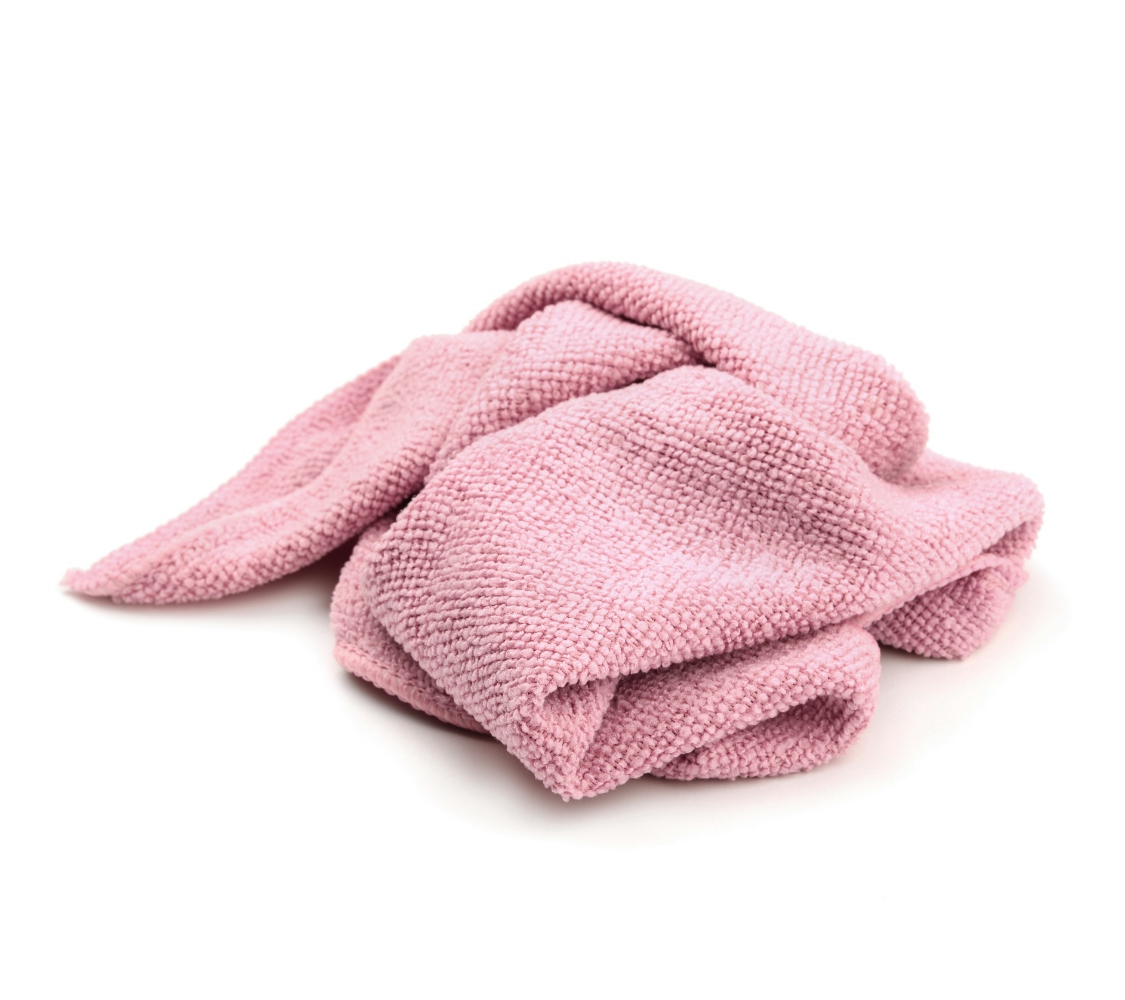
Microfibre cloths are a blend of polyester and nylon which are both plastic-based fibres.
Each fibre is super tiny (micro), which really helps them grab onto dirt. This is why microfibre cloths are so effective at cleaning.
It’s a clever design. But definitely still plastic.
Microplastics.
And there’s an issue that quietly builds every time a microfibre cloth is washed or rinsed.
It sheds those self-same tiny plastic fibres.
Thousands in fact, per wash. And because they’re so small:
- They rinse out from our washing machines
- Pass through wastewater treatment systems
- And make their way into rivers and oceans²
Once they’re out in the environment they don’t break down. Instead, they just hang about. Studies suggest that around 35% of primary microplastics in the ocean now come from washing synthetic textiles¹ including things like clothes and microfibre cloths.
How to reduce the impact.
You don’t need to panic and throw everything out if you’ve already got a drawer full of microfibre cloths because there are ways to catch those tiny fibres before they escape into waterways:
- Use a Guppyfriend Laundry Bag. Washing synthetics inside this specially designed bag helps trap microfibres inside that would otherwise wash away.
- Install a washing machine filter such as made by Gulp. It will catch microplastics before the wastewater leaves your home.
They’re not perfect fixes but they’re good steps to take while you move away from synthetic cloths over time.
So… what’s the alternative?
Cotton Cloths.
They’re made from natural plant fibres, so:
- They don’t shed plastic
- Any fibres that do wash away are biodegradable
- They won’t hang around in oceans for hundreds of years³
They clean your home… without quietly polluting somewhere else.
Why we made a Cotton Cloth.
We wanted something simple that worked really well and was not secretly made from plastic.
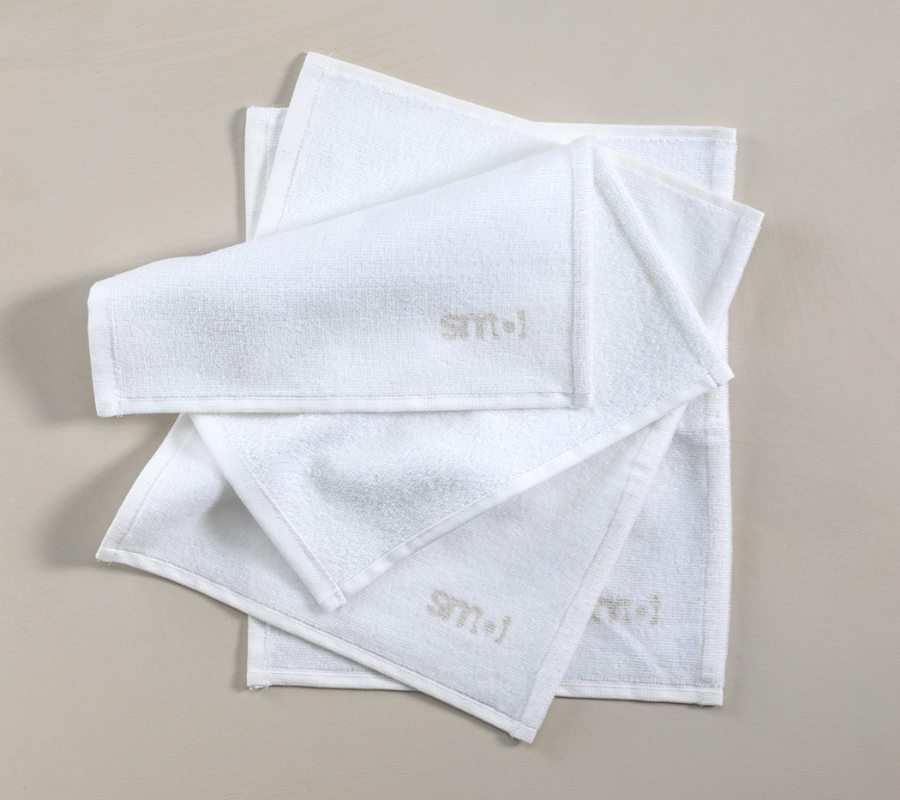
So our Cotton Cloths are:
- 100% cotton
- Machine washable up to 60°C
- Soft enough for delicate surfaces
- Durable enough for daily messes
Cotton Cloths aren’t just the more sustainable option. They also do the job very well.
They’re great for:
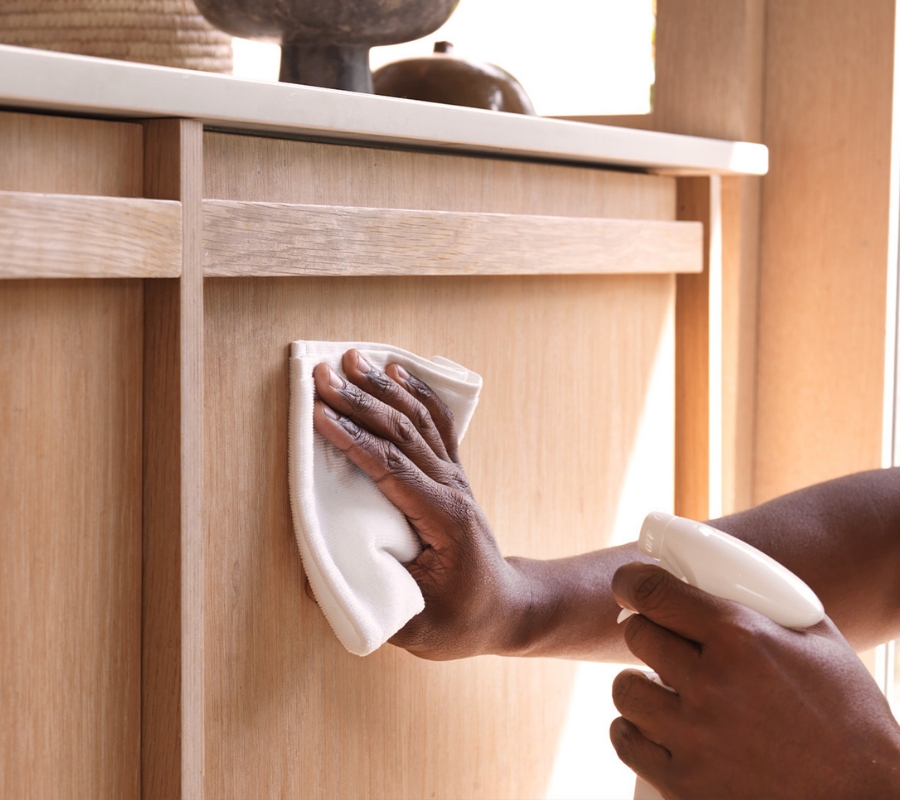
- Wiping down bathroom surfaces
- Cleaning kitchen counters and tables
- Dusting shelves and furniture
- Polishing mirrors and glass
- Mopping up spills
You’ll get one free when you purchase our Clean Reset Collection or Surface Reset starter set.
Switching to cotton might feel like a small change but it’s one of those quiet upgrades that just makes sense.

Cotton Cloth FAQs.
¹ International Union for Conservation of Nature
² European Environment Agency fibre release from washing and challenges in wastewater filtration
³ Ocean Conservancy environmental persistence of microplastics

Catherine Green, Cleaning Expert
Catherine has been on a mission to revolutionise the way we tackle chores since the dawn of smol and is an advocate for making more sustainable living accessible to all, with a strong focus in cleaning that’s heavy on dirt, lighter on the planet and gentle on the skin. Catherine has tested hundreds of hacks to make tackling chores easier, safer, and better for the planet and our homes.
ABOUT OUR AUTHORS