08 Apr 2026
Plastic detox swaps cheat sheet:
- Reducing plastic doesn’t mean changing everything at once
- Focus on the biggest single-use items first
- Refill systems can cut packaging and shipped water
- Concentrated products use less plastic overall
- Bottles-for-life reduce the need to recycle
- Small swaps across different rooms add up quickly
Thinking about trying a plastic detox?
You might be worried that you’ll need to overhaul everything.
But reducing plastic is often about small, practical swaps. So one easy place to start is to simply look around your home.
From kitchen cleaning to laundry day, there are simple changes that can cut back on single-use plastic without adding extra hassle.
Here are five easy ways to reduce your plastic waste in your daily routine.
1. Kitchen switches.
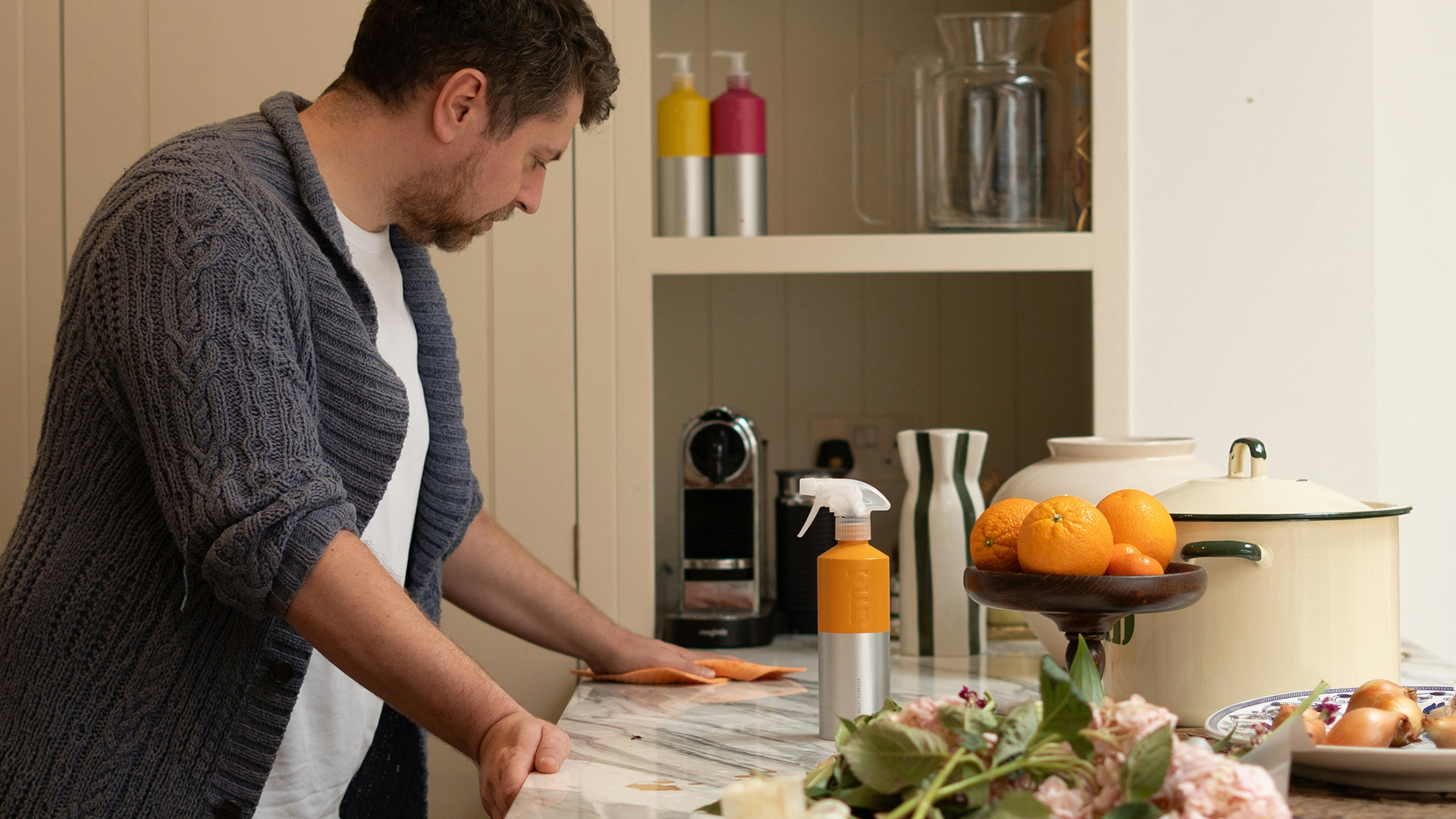
The kitchen is one area that seems to attract single-use plastic bottles.
So instead of replacing bottles every time, remember with smol you can enjoy refill cartons, refill tablets and bottles-for-life. Our recycled PET bottles are BPA free or alternatively you can opt for our recycled aluminium bottles.
Refill systems reduce the need for new plastic and often cut down on shipped water too. Your kitchen can now enjoy refillable:
You can also look for dishwasher tablets that come packed in cardboard alongside plastic-free sponges and cloths (that are made from plants) and wooden dishbrushes with plant fibre bristles. Yep, here at smol we have them all!
2. Food storage.
Plastic food containers and wrap are often used once and thrown out. Simple swaps include:
- Reusable containers made from metal
- Glass jars for leftovers
- Reusable wraps made from beeswax
A good way to approach this is to just replace items gradually as you need them.
3. Bathroom rethink.
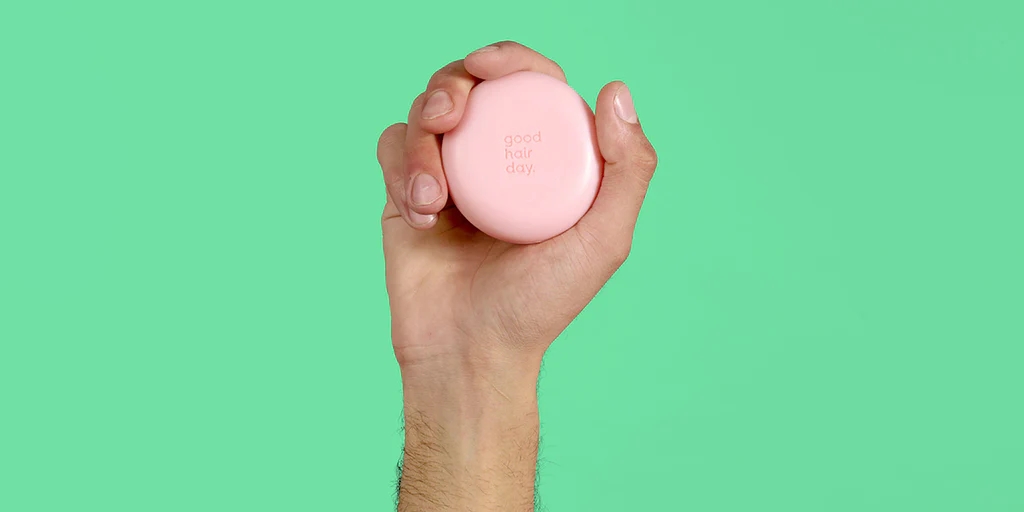
Bathrooms are often full of single-use plastic packaging so switching to lower-plastic alternatives can quickly reduce the number of bottles and tubes you go through.
Simple smol swaps include:
- Refillable Foaming Bathroom Spray instead of single-use bottles
- Shampoo, body and hand soap bars
- Bamboo toothbrushes instead of plastic ones
- Aluminium toothpaste tubes
You don’t need to change everything at once. Replacing items as they run out is an easy way to start reducing plastic without adding extra effort.
4. Refillable laundry.
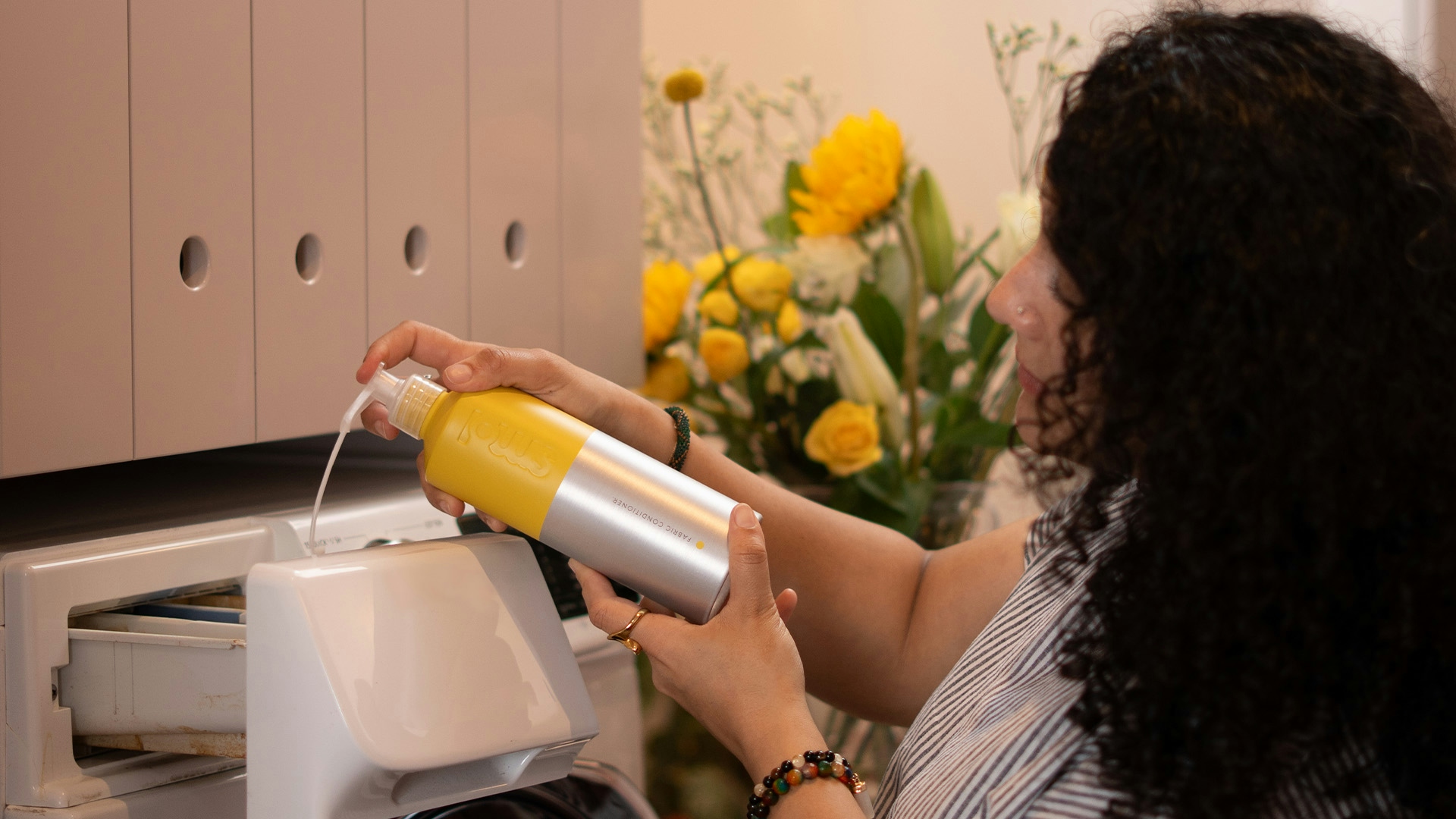
Switching to more concentrated and refillable options around your laundry can also significantly reduce plastic use and exposure.
For example swapping to smol means:
- Laundry capsules packaged in cardboard rather than plastic tubs
- Refillable bottles-for-life for laundry liquid
- Refillable bottles-for-life for fabric conditioner
- Refillable bottles-for-life for stain gel
You’ll reduce the need to replace plastic bottles and also cut down on shipped water at the same time.
5. Out and about.
Drinks and takeaway packaging can quickly add up too. Things like bottled water, disposable food containers or takeaway coffee cups with plastic lids.
Easy swaps include:
- Reusable BPA-free or metal water bottles
- Refillable coffee cups
- Reusable lunch containers
- Saying no to plastic cutlery when ordering
These small changes don’t take much effort, but will reduce a lot of single-use plastic over time.
Plastic detox FAQs.
Do I need to change everything at once?
No. Gradual swaps are more practical and easier to maintain.
Which room should I start with?
The kitchen and laundry are often the easiest starting points.
Are refill systems better than recycling?
Reducing and reusing packaging usually has a bigger impact than recycling alone.
Is reducing plastic expensive?
Not necessarily. Many refill systems reduce packaging and can last longer.

Catherine Green, Cleaning Expert
Catherine has been on a mission to revolutionise the way we tackle chores since the dawn of smol is an advocate for making more sustainable living accessible to all with a strong focus in cleaning that’s heavy on dirt, lighter on the planet. Catherine has tested hundreds of hacks to make tackling chores easier, safer, and better for the planet.
ABOUT OUR AUTHORS