24 Apr 2026
Natural cleaning cheat sheet:
- “Natural” cleaning doesn’t mean chemical-free (everything is chemicals)
- Some natural ingredients can clean brilliantly
- Others have limits, especially for tough stains or hygiene
- Natural doesn’t automatically mean safer or gentler
- Some “natural” products are still highly processed
- What matters is using the right ingredients, in the right amount
“Natural” or “non-toxic” cleaning has become a popular buzz phrase over the last few years.
We’re talking vinegar sprays, bicarbonate of soda, lemon-based cleaners.
Some of it works well. Some of it doesn’t quite do what you’d expect.
We assume “natural” means better or safer. But it’s not always that straightforward.
Natural doesn’t mean chemical-free.
We’ve said it before (can we say it again?)... everything is a chemical.
So when we talk about “natural cleaning” what we really mean is cleaning with ingredients that come from natural sources.
We don’t mean cleaning without chemicals. That would be impossible.
Some natural ingredients can clean.
So we should give credit where it’s due.
1. Vinegar.
- Cuts through limescale
- Helps remove mineral deposits
- Works well on glass and taps
2. Bicarbonate of soda.
- Mild abrasive for scrubbing
- Helps neutralise odours
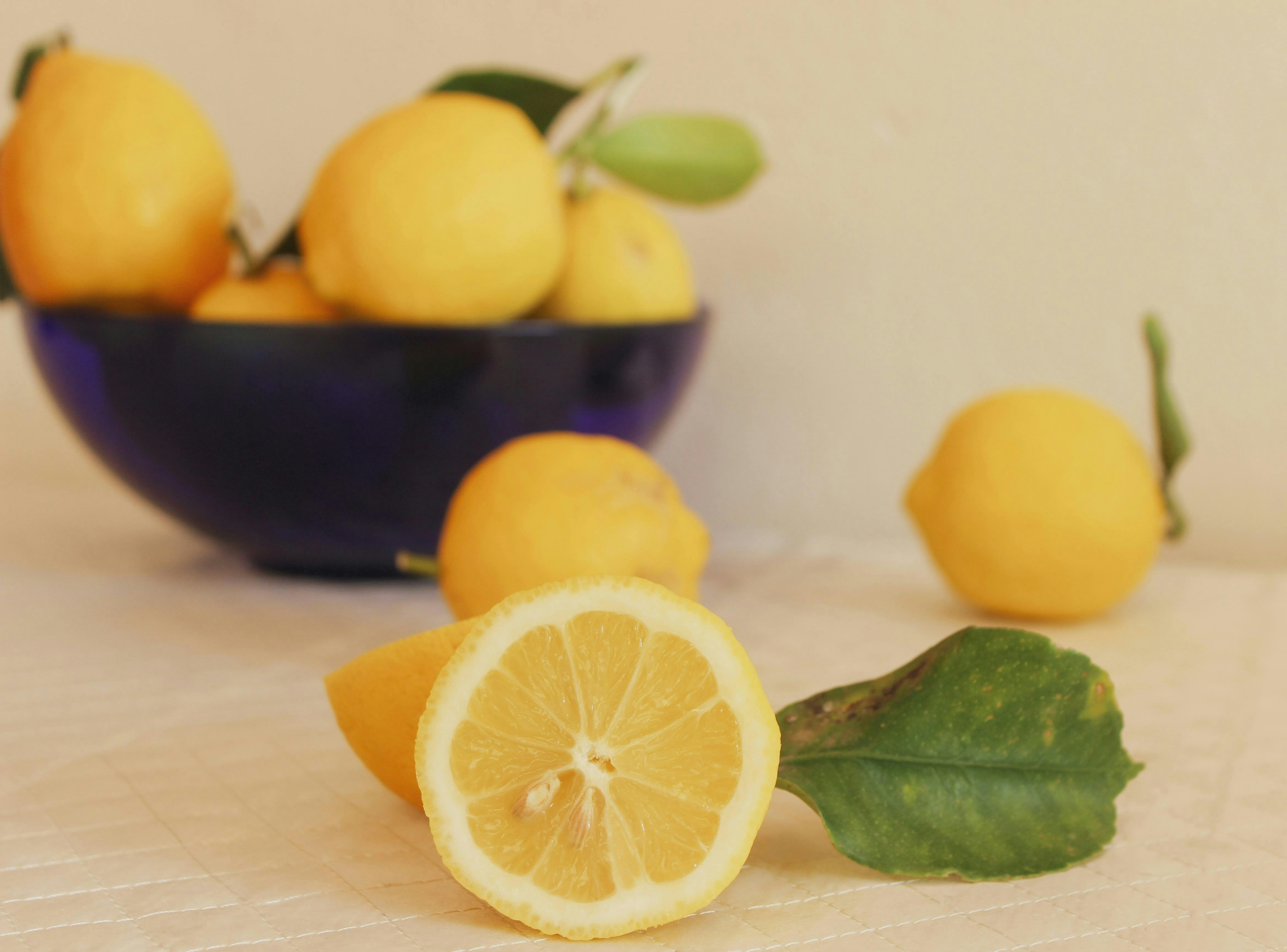
3. Lemon juice.
- Mild degreaser
- Adds a fresh scent
But there are limits.
Natural cleaners don’t always do everything you need them to.
For example, vinegar can damage certain surfaces like stone or wood over time, so should not be left to sit for extended periods of time. Lemon juice can mildly degrease a surface but it won’t remove anywhere near the levels of dirt and grime that our Multi Purpose Spray does.
Natural doesn’t automatically mean safer.
This is important.
We assume that if something is natural, it must be gentle or harmless. Which isn’t always true.
Essential oils are a good example.
- Some cause skin irritation or allergic reactions
- They can be toxic if misused or used in high concentrations
- They’ve been linked to thousands of poisoning incidents when handled incorrectly¹
Even vinegar can irritate lungs if inhaled as a spray.
Not all “natural” products are as natural as they sound.
“Natural” isn’t a tightly defined term in cleaning, so brands use it… quite freely.
Products that are labelled “natural” can still include:
- Processed ingredients
- Synthetic components
- Fragrances that sound natural but are still engineered
Environmental trade-offs.
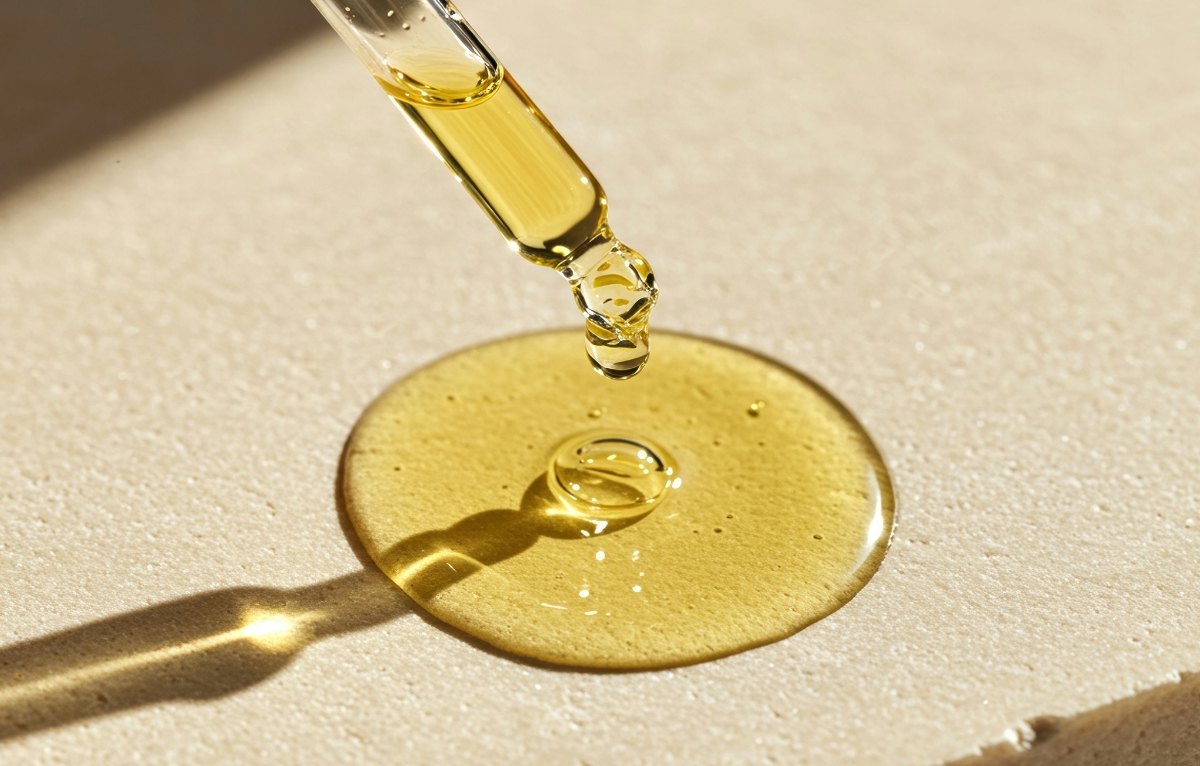
And natural ingredients can be highly resource-intensive. Again, let’s look at essential oils:
- Huge amounts of plant material can be needed to produce tiny amounts of oil. For example, it can take around 7 tonnes of fresh lemon balm to produce just 1 kg of essential oil.²
- Carbon footprints are high, e.g. lavender oil production involves: agriculture (land and water use), harvesting and then steam distillation. It’s hugely energy-intensive.
- They are a complex mixture of organic compounds (terpenes, phenols) and some of them don’t break down easily in water.
So, what is smol’s view?
We’re not anti-natural. Some natural ingredients are brilliant.
But we’re also not convinced that “natural” on its own means much.
It’s more useful to ask: Does it actually clean well? Is it formulated properly? And am I using more than I need? All questions we ask when developing our concentrated cleaning products.
FAQs: Natural cleaning products
¹ Cardiff University (UK), poison centre data on essential oil exposures
² Minor Oil Crops: Melissa officinalis

Catherine Green, Cleaning Expert
Catherine has been on a mission to revolutionise the way we tackle chores since the dawn of smol and is an advocate for making more sustainable living accessible to all, with a strong focus in cleaning that’s heavy on dirt, lighter on the planet and gentle on the skin. Catherine has tested hundreds of hacks to make tackling chores easier, safer, and better for the planet and our homes.
ABOUT OUR AUTHORS