
28 May 2026
Cleaning and the gut microbiome cheat sheet:
- Your gut microbiome thrives on a diversity of microbes
- Overusing antibacterial cleaners or disinfectant can limit exposure to helpful microbes
- Cleaning itself isn’t the enemy (hygiene is great for preventing illness)
- Targeted cleaning, not total sterilisation is where we should aim
- Use smarter formulations to help you clean effectively without going overboard
Hands up if you know much about the gut microbiome?
It’s the trillions of bacteria, fungi and viruses all living in your digestive system that help with processes like digestion and immunity. Science is increasingly learning about its importance to our health and a diverse microbiome is now being associated with better overall health.¹
Interestingly, cleaning can play a role in this…
Heard about the “hygiene hypothesis”?²
It suggests that your body expects a certain amount of everyday exposure to microbes… and that completely removing that exposure isn’t great.
Overdoing antibacterial products.
Antibacterial and disinfectant cleaners are designed to kill bacteria.
But they can’t tell the difference between harmful and harmless microbes, so if we use them a lot, all over the place, they can:
- Cut microbial diversity in the environment
- Limit exposure to the microbes your body expects each day
Why this matters for your gut (and immune system).
Your gut microbiome is mainly busy with your:
- Digestion
- Immune function
- Inflammation
Some research suggests that reduced exposure to microbes may be linked to higher rates of allergies and immune-related conditions.³
So cleaning our homes too thoroughly could reduce our exposure to the microbes we need.
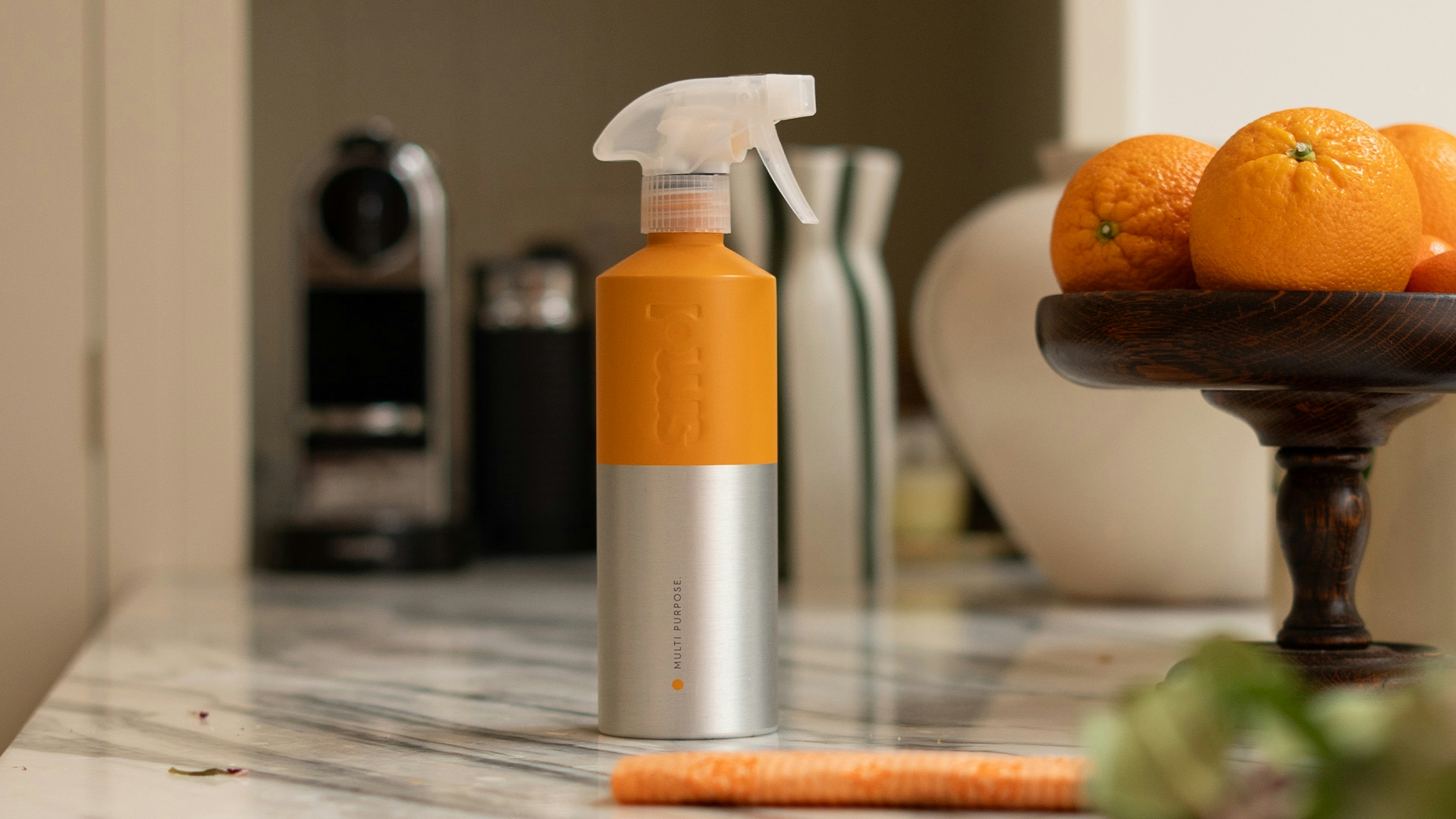
Clean smarter, not more.
Instead of using more products with more chemicals, here at smol, we view cleaning as being more about using the right amount in the right place.
Clean more thoroughly where it matters.
- Kitchen surfaces or anywhere that touches food
- Bathrooms
Ease up everywhere else.
- Floors
- Shelves, cupboard doors, window sills etc
- Avoid any “just in case” disinfecting
If there’s no genuine risk to health, you don’t need to kill everything on sight!
So what about antibacterial cleaners?
Products that kill 99.9% of bacteria may sound reassuring but remember…
- Most bacteria in your home aren’t harmful⁴
- Overusing antibacterial products isn’t necessary for everyday cleaning
- Use them just when there’s a clear hygiene need such as after illness
Cleaning and the gut microbiome FAQs.
¹ University of Cambridge Research Feb 2026
² Proposed in 1989 by British epidemiologist David P. Strachan. Reduced exposure to infections in childhood prevents immune system from maturing properly, leading to higher rates of asthma and allergies.
³ Levy, S. (2012). Reduced bacterial biodiversity is associated with increased allergy.
⁴ Identification of Household Bacterial Community and Analysis of Species Shared with Human Microbiome 2013

Catherine Green, Cleaning Expert
Catherine has been on a mission to revolutionise the way we tackle chores since the dawn of smol and is an advocate for making more sustainable living accessible to all, with a strong focus in cleaning that’s heavy on dirt, lighter on the planet and gentle on the skin. Catherine has tested hundreds of hacks to make tackling chores easier, safer, and better for the planet and our homes.
ABOUT OUR AUTHORS