24 Mar 2026
PFAS cheat sheet:
- PFAS stands for per- and polyfluoroalkyl substances
- Called “forever chemicals” as they don’t break down easily in the environment.¹
- PFAS have been used in products that repel water, grease and stains (including non-stick cookware, waterproof fabrics and cosmetics).²
- PFAS aren’t typically found in mainstream UK household detergents, but some fluorinated surfactants are used in specialist formulations and protective treatments.³
- UK government is restricting high-risk uses of PFAS, particularly firefighting foams.⁴
You’ve probably heard the phrase “forever chemicals” in the media recently.
They sound dramatic.
But what are PFAS?
Are they in your cleaning products?
And do you need to worry about what’s sitting under your sink?
Let’s take a look with facts, not fear.
What are PFAS?
PFAS are a family of synthetic chemicals developed in the 20th century. They’re extremely good at resisting:
- Water
- Oil
- Heat
- Stains
Their usefulness comes from their very strong carbon-fluorine bonds but it’s these same bonds that also means they hang around long after they’ve done their job….
Once released into the environment, some PFAS can:
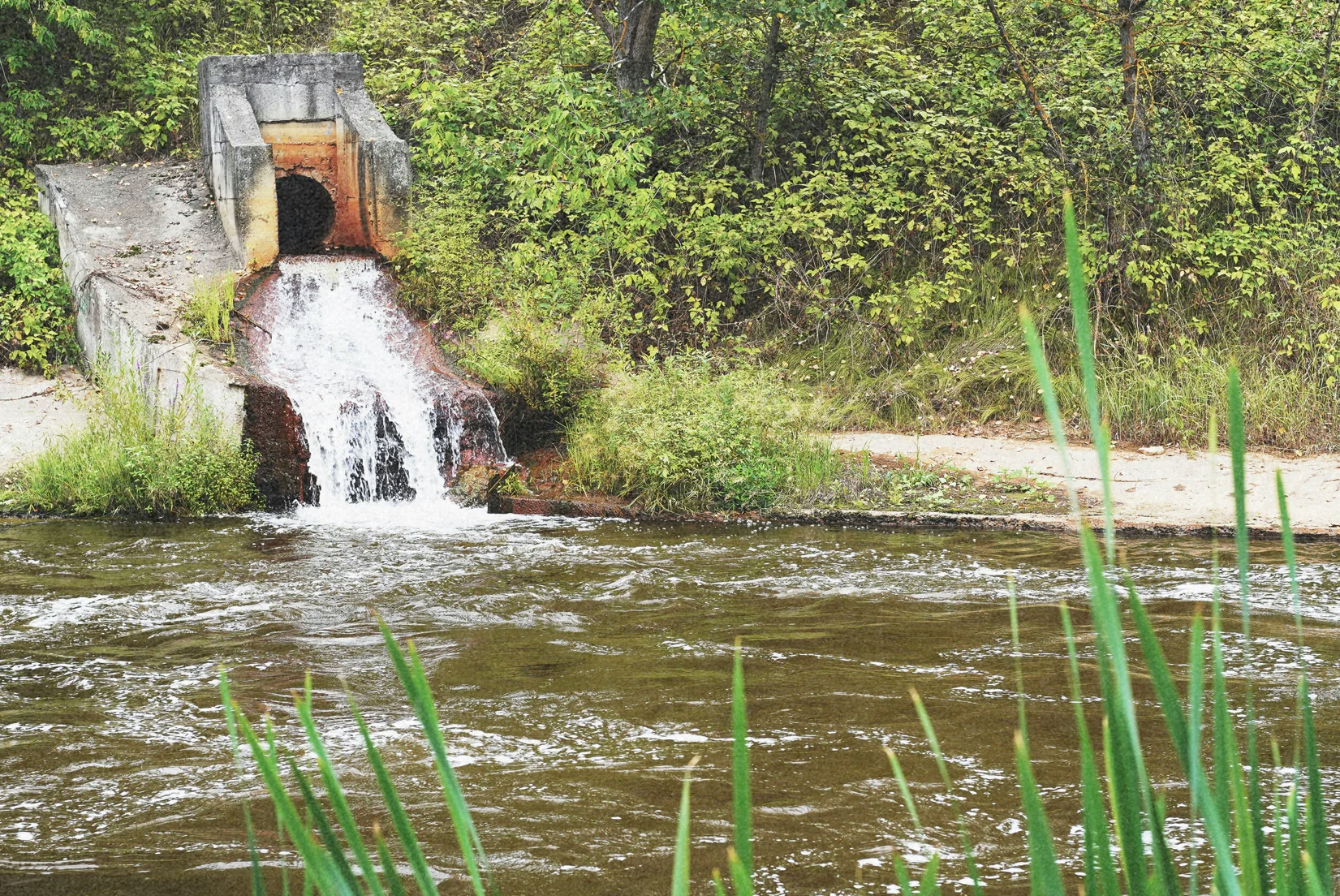
- Travel through water systems
- Accumulate in soil
- Persist for years
Which is why they’ve been given their “forever” nickname.
Why are PFAS in the news in the UK?
In the UK, the main focus has been:
- Water quality monitoring
- Environmental contamination
- Industrial and firefighting foam uses
The Drinking Water Inspectorate (DWI) and water companies such as Severn Trent explain that PFAS can enter rivers and groundwater, but UK tap water is treated to high standards and current monitored levels are considered safe under existing guidelines.
But here’s the direction things are heading… it’s time to reduce unnecessary PFAS use and limit their environmental release.
Are PFAS used in cleaning products?
This is where it’s not straightforward.
Everyday household cleaners.
Most standard UK household cleaners (like laundry detergents and multi purpose sprays) use surfactants such as:
- Anionic surfactants
- Non-ionic surfactants
- Alcohol ethoxylates
- Enzymes
PFAS are NOT typical core ingredients in mainstream household detergents.
PFAS as surfactants.
Some PFAS have been used as surfactants in cleaning to help liquids:
- Mix
- Spread
- Wet surfaces
- Control foam
They’re basically really good at reducing the surface tension of liquids so they work well as industrial degreasers, floor polishes and sealants or as specialist coatings on products.
All these applications are much more common in industrial or professional cleaning settings rather than typical household cleaners you would buy for your home.
Where you’re more likely to find PFAS in the home.
- Carpet protector sprays
- Upholstery stain guards
- Waterproofing sprays for shoes and outdoor gear
- Certain protective surface sealants
They’re not specifically cleaning products; they’re more designed to create a barrier to dirt.
What about cosmetics and personal care?
Some PFAS have been used in cosmetics because they:
- Improve smooth application and spreadability
- Make a product stay put longer
- Create waterproof effects
PFAS have been found in certain long-lasting cosmetics, particularly waterproof mascara and foundation products.⁵
When these are washed off:
- They enter wastewater
- They may pass through treatment systems
- They hang around out in the environment
Should we worry about PFAS?
Because they hang around for potentially thousands of years and can also move around, there’s no getting rid of them easily. They can also accumulate in our bodies which is concerning when some have been linked to health issues like high cholesterol and impaired immunity.⁶
However, it’s important to know there are thousands of these chemicals, and some are potentially less toxic, or haven’t been studied, so we don’t know if they are all harmful.
How to reduce PFAS exposure at home.
There’s no need to panic-bin everything. But you can make thoughtful swaps.
- Check any sprays that “protect” against stains or water and form a long lasting barrier.
- Scan ingredient lists for “Perfluoro-”,“Polyfluoro-” or PTFE.
- Keep cleaning simple with smol products. Simple surfactants and enzymes will remove the dirt.
Where smol stands.
We don’t use PFAS in smol formulations. We focus on performance through:
- Carefully selected surfactants
- Enzyme technology
- Concentration that’s heavy on dirt, lighter on the planet.
PFAS in cleaning FAQs.
What does PFAS stand for?
Per- and polyfluoroalkyl substances. Synthetic chemicals that repel water, grease and stains.
Why are PFAS called “forever chemicals”?
Because they are highly persistent and don’t break down easily in the environment.
Are PFAS common in UK cleaning products?
They are not typical ingredients in everyday household detergents, but certain PFAS have been used in specialist industrial cleaners and protective surface treatments.
Where are PFAS most likely found in the home?
- Waterproofing sprays
- Stain-resistant treatments
- Some long-lasting cosmetics
- Older non-stick cookware
¹ UK Government PFAS Plan, 2023
² Drinking Water Inspectorate, UK
³ RSC; industrial chemistry literature
⁴ UK REACH / DEFRA
⁵ Environmental Science & Technology (2021)
⁶ The Guardian 2024

Nay Gulsan, Regulatory & Compliance Manager
Nay is smol’s Regulatory Expert, specialising in regulations, safety, formulation and detergent science. She started her journey as a formulation chemist and has since conquered the technical field from toiletries, detergents and home fragrance. A nerdy know-it-all, passionate about doing the right thing, Nay is the expert in this space.
ABOUT OUR AUTHORS