
11 Nov 2026
- Don’t leave damp/sweaty clothes in the laundry basket for days.
- Use the right amount of detergent (more isn’t automatically better).
- Give clothes enough room to move in the drum.
- Line dry outside when you can.
- Make sure laundry is dry before putting it away.
- Keep your washing machine clean.
- Touch-activated fragrance helps scent come back as fabrics move.
- Pair Laundry Reset Liquid with its matching Laundry Reset Softener for double the fragrance.
Freshly washed laundry isn’t just one of life’s little joys… it’s actually Britain’s favourite smell.
In a survey of 2,000 UK adults, 77% put fresh laundry top of the list.¹
So let’s take a look at the best ways to keep that smell hanging around for longer…

1. Stick to the detergent dose.
If clothes aren’t smelling fresh when they go into the washing machine, it can be tempting to add another dose of detergent.
Because we often think that more detergent = cleaner clothes.
But that’s often not true.
Using the recommended dose helps your washing machine rinse detergent and dirt away properly. Too much product can leave residues behind on fabrics and inside your machine.
Laundry Reset Liquid makes this easy: its dosing cap allows for the perfect recommended 20ml dose which does the job brilliantly without the need for guesswork.
2. Don’t leave damp laundry in the basket.
We’re all for waiting until you’ve got enough laundry to make a full load.
BUT… damp towels or sweaty sportsgear will fester if they’re scrunched up in a basket for too long. Bacteria will multiply in the moisture and warmth, which will just make any odours worse.
So if something is damp, either wash it reasonably soon or let it dry out before putting it into the laundry pile.
3. Give your laundry room to move.
Full loads are the most sustainable way to wash BUT that shouldn’t involve ramming the drum full to the top.
An overpacked drum gives water and detergent less room to circulate through your laundry.
As a general rule, clothes should have enough space to move around during the wash rather than being tightly wedged into the drum. Aim for a hand’s span in width between the top of your laundry pile and the inside of your drum.
4. Get it out of the machine.
Clean, damp laundry sitting inside a closed washing machine can quickly lose that lovely freshly washed smell and feel.
Always aim to remove it reasonably promptly and start drying it.

5. Line dry when you can.
If the weather is playing nicely, drying outdoors is hard to beat.
There’s also something lovely about bringing in a load of washing that has been moving around outside all afternoon.
And for fragranced laundry, that movement matters...
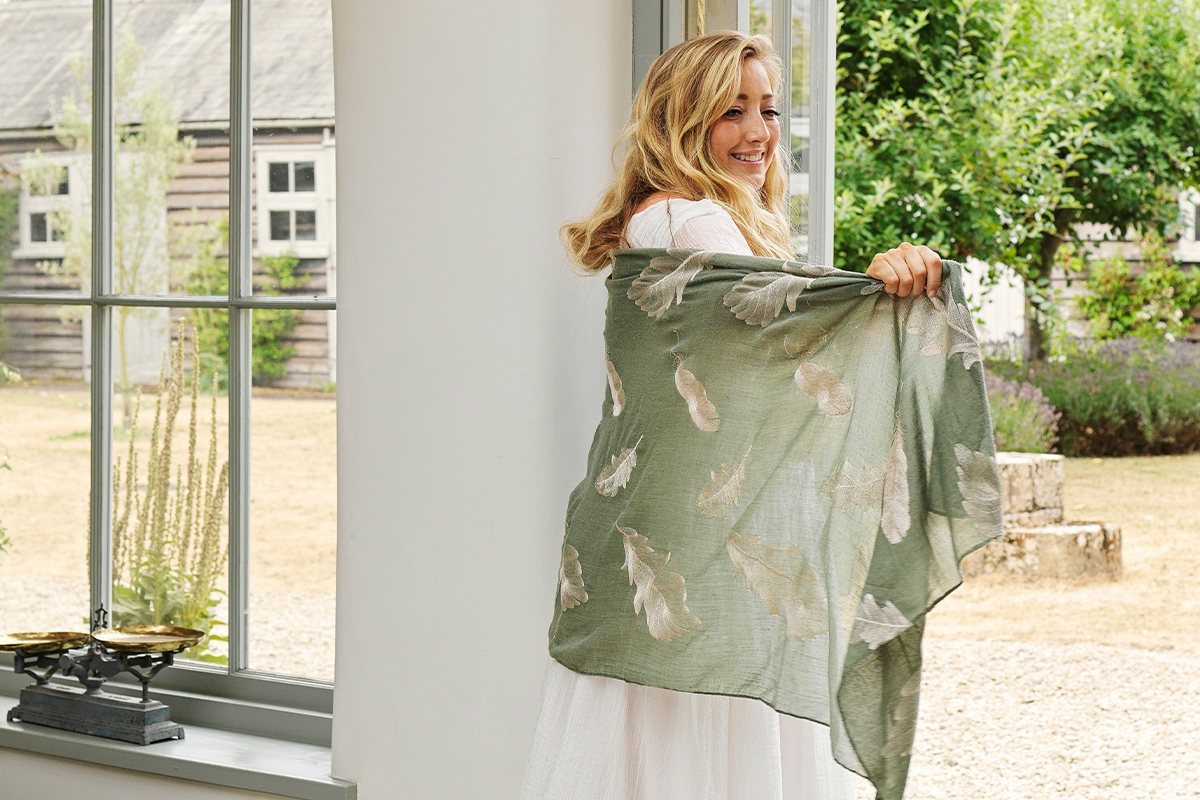
6. Make your fragrance work beyond wash day.
We didn’t want the best Laundry Reset scent moment to only happen when you opened the washing machine.
Laundry Reset uses touch-activated fragrance technology.
Tiny fragrance capsules stay on fabrics after washing, with everyday movement and friction helping release little bursts of scent.
So you’ll notice your fragrance again and again.

7. Pair your fragrance.
Every Laundry Reset fragrance comes as a Laundry Reset Liquid and matching Laundry Reset Softener.
Use either one on its own, or pair them together for double the fragrance.
The Laundry Reset Liquid gives you a powerful non-bio clean, while the matching Laundry Reset Softener leaves fabrics wonderfully soft and layers on more of the same scent.
8. Make sure laundry is properly dry.
However good it smells coming off the line, don’t put laundry away if it’s still a bit damp.
Even a little bit of moisture can encourage fusty smells.
If in doubt, give it longer to dry.
9. Don’t forget the washing machine.
You can’t expect beautifully fresh laundry from a machine that needs a wash itself.
- Leave the door and drawer ajar after use so they can dry out
- Wipe around the door seal
- Clean the detergent drawer regularly
- Check and clean the filter according to your machine instructions
- Run a cleaning cycle when needed
A fresher machine gives your fresh laundry a much better starting point.
Fresh laundry: what helps most?
Do’s | Don’ts |
|---|---|
Dry damp/sweaty clothes before adding to laundry pile | Leave them bundled up wet |
Use the recommended detergent dose | Assume more = cleaner |
Leave some room in the drum | Pack in every last sock! |
Remove washing when the cycle ends | Leave it damp in the drum overnight |
Line dry outside when you can | Leave items where they will take days to dry |
Put laundry away completely dry | Fold it whilst still a bit damp |
Clean your washing machine regularly | Allow mould and damp to build |
Fresh laundry FAQs.
¹ 2020 Samsung UK survey of 2,000 British adults

Catherine Green, Cleaning Expert
Catherine has been on a mission to revolutionise the way we tackle chores since the dawn of smol and is an advocate for making more sustainable living accessible to all, with a strong focus in cleaning that’s heavy on dirt, lighter on the planet and gentle on the skin. Catherine has tested hundreds of hacks to make tackling chores easier, safer, and better for the planet and our homes.
ABOUT OUR AUTHORS