01 Jul 2026
Plastic Free July 2026:
- A campaign to cut plastic waste has us thinking about plastic in a broader way.
- Concerns around microplastics and plastic chemicals encourage more of us to rethink what we’re bringing into our homes.
- You don't need to go completely plastic-free to make a difference.
- Simple swaps like cotton cloths, refillable products and concentrated formulas can help ditch unnecessary plastic.
- Since launch, the smol community has helped save over 3,000 tonnes of single-use plastic.
Plastic Free July is very much about reducing plastic waste.
But it’s also a great time to address wider concerns around:
- Microplastics
- The chemicals used to make plastics
- How much plastic enters our homes every week
And the good news is that you don't need to live a perfectly plastic-free life to make a difference.
Here are five simple habits worth adopting this Plastic Free July (and beyond).
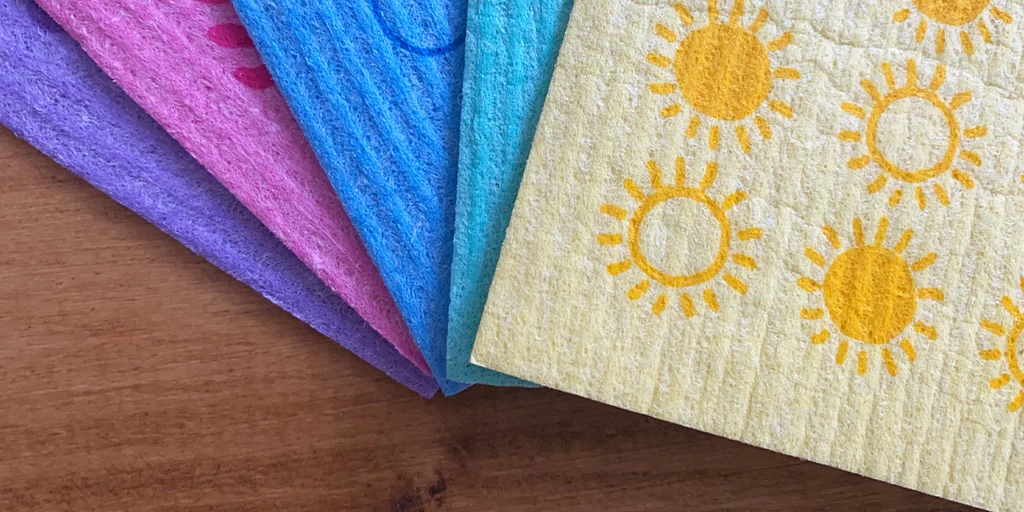
1. Swap microfibre cloths for cotton cloths.
Microfibre cloths are incredibly popular because they work well, are re-usable and cheap.
But they’re also made from plastic fibres and when they are washed, they can shed tiny particles known as microplastics.
So if you're looking to reduce plastic exposure around the home, switching to cloths made from plant cellulose or cotton cleaning cloths is an easy place to start. They are:
- Reusable, washable, long-lasting
- Effective for everyday cleaning
- Free from plastic fibres
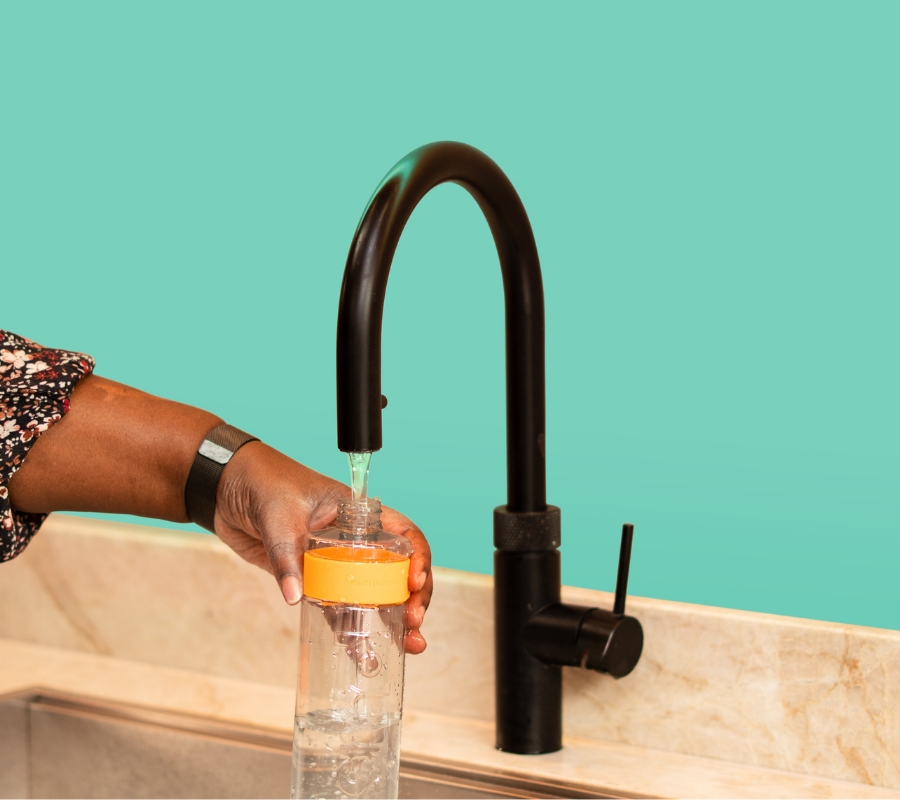
2. Choose refill systems that use less plastic.
Many household products come packaged in single-use plastic bottles so refill systems can help reduce the number of new bottles entering your home each year.
Here at smol, we use 100% recycled plastic bottles-for-life that are designed to be refilled again and again, rather than thrown away and replaced every few weeks.
Or maybe try our gorgeous aluminium bottles. They’re made from 100% recycled material and are seriously good looking.
Each refill really does add up. Since launch, the smol community has helped save more than 3,000 tonnes of single-use plastic. That's roughly the same weight as:
- 10 fully loaded jumbo jets
- 15 Angels of the North
- 500 African elephants
- Or one billion pygmy shrews
And the best part? That number is still growing.
washes powered by smol have saved

3,162
tonnes of plastic

7,036
tonnes of chemicals

67,057
tonnes of carbon

123
tonnes of animal fat

6,172,362
litres of water shipped

4,644,670
washes donated
3. Stop paying to ship water around the country.
Many household cleaning products are mostly water.
That means brands are packaging, shipping and storing large volumes of water alongside the active ingredients. Concentrated products don’t ship unnecessary water, you simply add it at home when needed. Which means:
- Less packaging
- Smaller products
- More efficient transport
- Less plastic overall
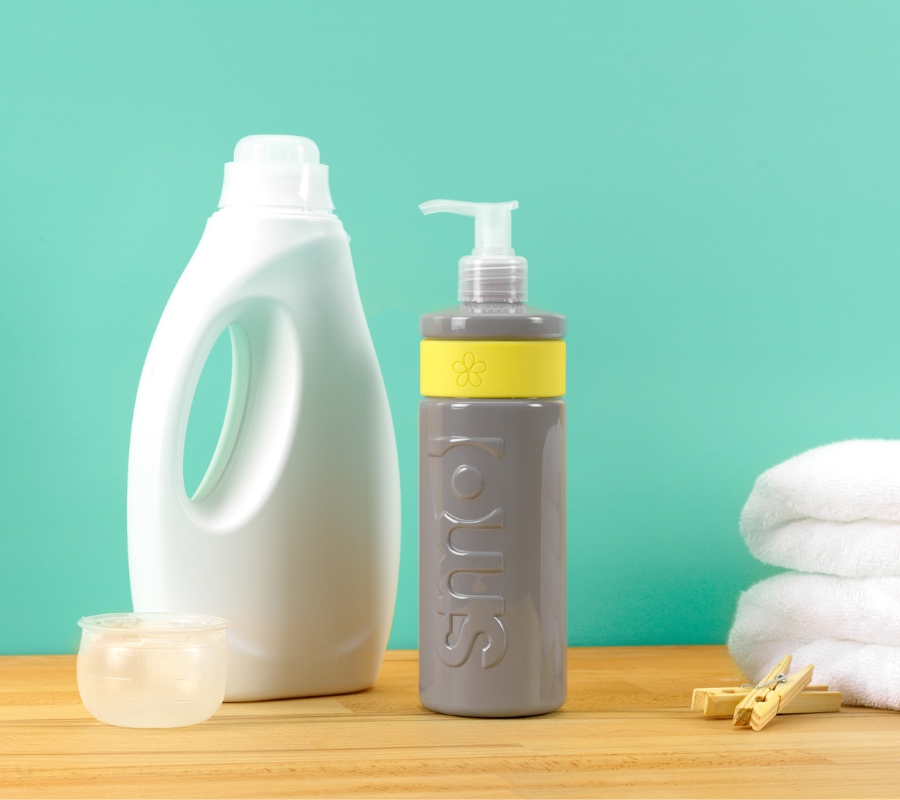
4. Look under your sink.
Take a quick look. How many plastic bottles are crammed all together?
How many are the same product or do the same job?
How many are nearly empty?
Plastic Free July isn't about throwing everything away and starting again.
It's about replacing products gradually as they run out with more sustainable, refillable options.
5. Get curious about plastic ingredients.
There are thousands of different types of plastic, often made using different ingredients.
Chemicals such as BPA (bisphenol A) and phthalates, have seen increased attention from regulators in recent years.
Many people now choose to check labels and product information before they buy.
If you're taking part in Plastic Free July, start with a few simple questions:
- What is this made from?
- Does it need to be plastic at all?
- Is there a refillable alternative?
- Does the brand explain the materials it uses?
You don't need a chemistry degree but a little curiosity can go a long way.
Plastic Free July doesn't have to be perfect.
Maybe you swap your cleaning cloths. Maybe you try a refill. Maybe you simply start noticing how much plastic enters your home each week.
Every small change counts.
Plastic Free July FAQs.
Catherine Green, Cleaning Expert
Catherine has been on a mission to revolutionise the way we tackle chores since the dawn of smol and is an advocate for making more sustainable living accessible to all, with a strong focus in cleaning that’s heavy on dirt, lighter on the planet and gentle on the skin. Catherine has tested hundreds of hacks to make tackling chores easier, safer, and better for the planet and our homes.
ABOUT OUR AUTHORS