20 May 2026
Steam cleaning vs cleaning products cheat sheet:
- Steam cleaning uses heat to loosen dirt and kill bacteria
- It can work well for certain surfaces and tasks
- It doesn’t replace every type of cleaning
- Heat alone won’t break down grease and stains
- Steam often needs wiping up afterwards
- Smarter cleaning is all about the right ingredients, used the right way
Steam cleaning is often described as the “no-chemicals” way to clean your home.
Just water. Sounds good.
Although water is still a chemical… everything is. But let’s be fair, steam cleaning is useful.
So, is it better than using cleaning products? Not quite.
What steam cleaning actually does.
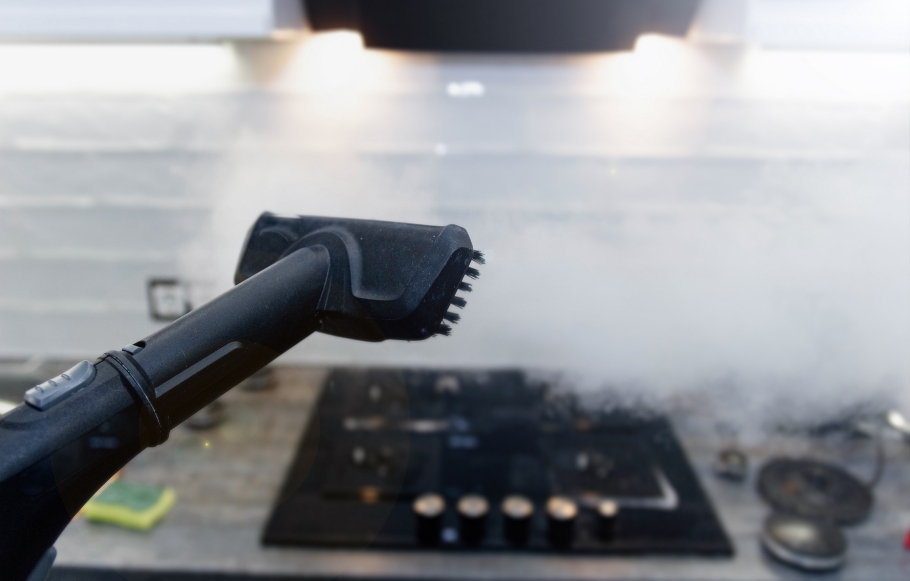
Steam cleaning uses high-temperature water vapour to loosen and lift dirt from surfaces and kill bacteria. It’s very good for:
- Tiles and grout
- Sealed hard surfaces
- Certain deep cleaning jobs like stove tops or ovens
Where steam cleaning struggles.
1. Grease.
Steam uses heat to loosen dirt.
But grease and food residue often respond better to cleaning ingredients like surfactants. These will actually break down and lift up the grease, not just soften or liquify it.
2. Removal.
Steam can lift dirt from a surface… but it doesn’t always take the dirt away.
You still need to wipe or rinse off to fully remove it.
3. Suitable surfaces.
Steam cleaning can damage certain materials, including:
- Unsealed wood
- Delicate surfaces
- Some types of plastic
4. Leaves surfaces damp.
Steam cleaning often leaves moisture behind which means you need to dry surfaces afterwards and that can leave streaks.
5. Impractical.
Sometimes steam cleaning is just not practical. It:
- Takes time to heat up
- Needs equipment and uses electricity
- Isn’t always the quickest way to clean
- For everyday cleaning it can often feel like more effort than necessary.
Cleaning is more than just heat.
It’s about removing the dirt. And while steam does help with some of that, it doesn’t do it all.
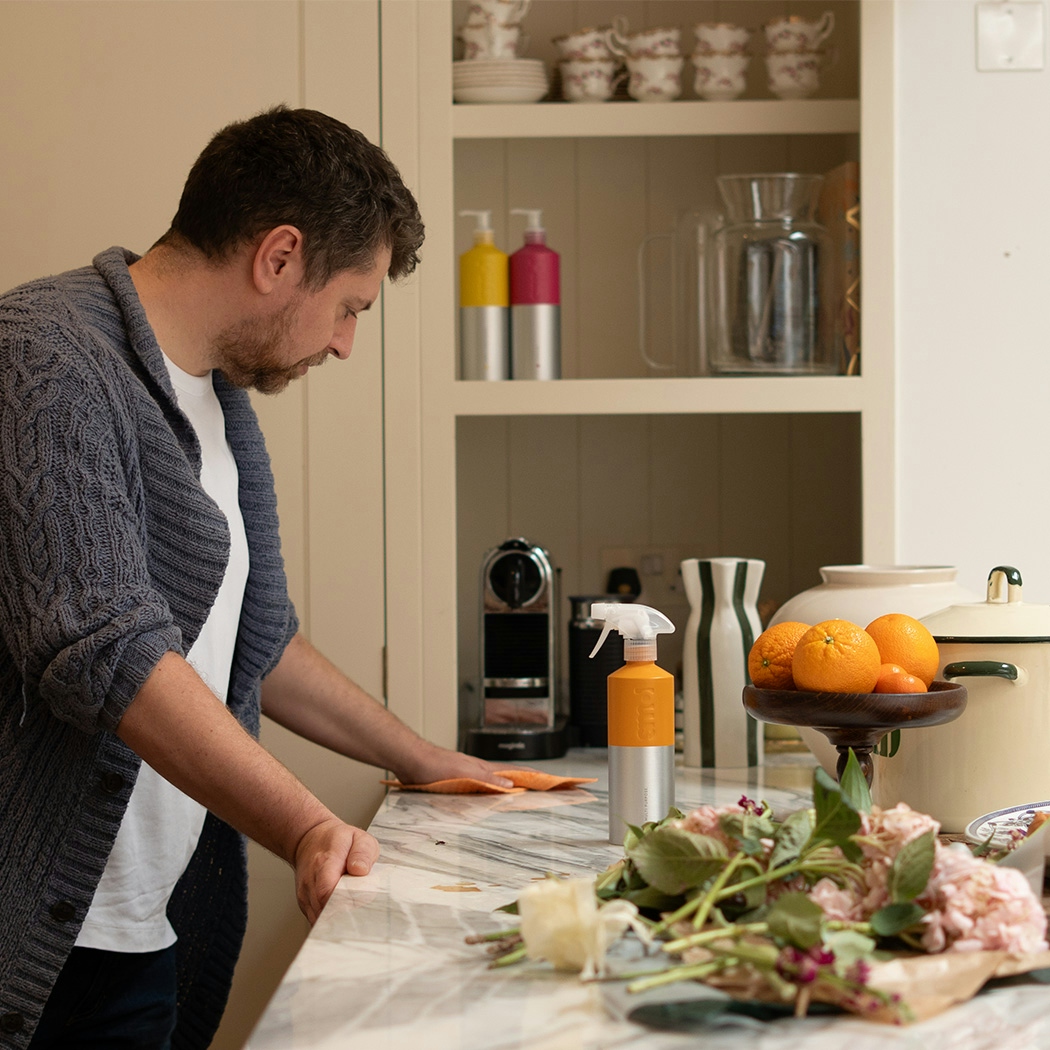
A well-formulated cleaning product will not only break down grease and lift dirt from surfaces, it will also remove stains effectively. And when these products are concentrated (hello smol!) and used correctly, they don’t need excess.
Less chemical cleaning.
At smol, we focus on using less chemical matter instead. Calculating a product’s dry chemical matter involves measuring how much actual cleaning chemical is in a product once all the added water and fragrance is removed. In other words, it tells you how many grams of chemicals are in a dose.
Here’s how that looks in practice:
smol product | Less chemicals than big brand | Works as well as big brands |
5.5% less per wash | ✅ | |
4.6% less per wash | ✅ | |
18% less per wash | ✅ | |
42% less per wash | ✅ | |
15% less per wash | ✅ | |
50% less per 500ml bottle | ✅ | |
Floor Cleaner | 45% less per 500ml bottle | ✅ |
So… steam or cleaning products?
It’s not really one or the other.
Steam can be useful for deep cleaning on ovens or mattresses for example and loosening stubborn grime, but for everyday cleaning you’re better off with an effective cleaning product used in the right amount.
Steam cleaning vs cleaning products FAQs.

Catherine Green, Cleaning Expert
Catherine has been on a mission to revolutionise the way we tackle chores since the dawn of smol and is an advocate for making more sustainable living accessible to all, with a strong focus in cleaning that’s heavy on dirt, lighter on the planet and gentle on the skin. Catherine has tested hundreds of hacks to make tackling chores easier, safer, and better for the planet and our homes.
ABOUT OUR AUTHORS