02 Apr 2026
Cleaning chemicals cheat sheet:
- Everything is made of chemicals, even water.
- It’s not chemicals vs natural. It’s which chemicals and how much.
- “Non-toxic, eco-friendly cleaning chemicals” sounds reassuring but has no strict definition.
- “Chemical-free cleaning” isn’t possible.
- But simple ingredients can work for certain jobs.
- What counts is smart formulas, fewer unnecessary ingredients and concentration.
First things first. Everything is a chemical.
Water. Oxygen. Even people (we’re a mix of chemicals).
So when headlines talk about “cleaning without chemicals”, what they really mean is cleaning with simpler or more natural ingredients. Because without chemistry… you couldn’t clean.
Dirt doesn’t disappear on its own. It needs ingredients to break it down, lift it off surfaces and rinse it away. And that’s all thanks to chemicals, doing their job.
What are “non-toxic cleaning chemicals”.
Terms like “non-toxic and eco-friendly cleaning chemicals” sound reassuring. But they’re misleading.
Anything can be toxic at the wrong dose. Think caffeine, essential oils, or salt. It depends on:
- how concentrated something is
- how much you’re exposed to
- how it’s being used
It’s unhelpful to ask whether something contains chemicals. It does. What we should be asking is whether those chemicals are needed, work well, or are being used properly.
Are natural cleaning products safer?
We often think natural ingredients are better or safer. But natural things can still irritate skin or trigger allergies. For example, tea tree oil. Often used in natural cleaning products thanks to its antibacterial properties. But it can trigger reactions and is a notifiable allergen in the UK and EU.
Of course, this doesn’t mean natural ingredients are bad. It just means they’re not an automatic guarantee of ‘safer’ or ‘better’. What matters most is how they are made and used.
Natural ingredients that can clean.
Chemical-free cleaning isn’t possible. But some simple ingredients can work for certain jobs.
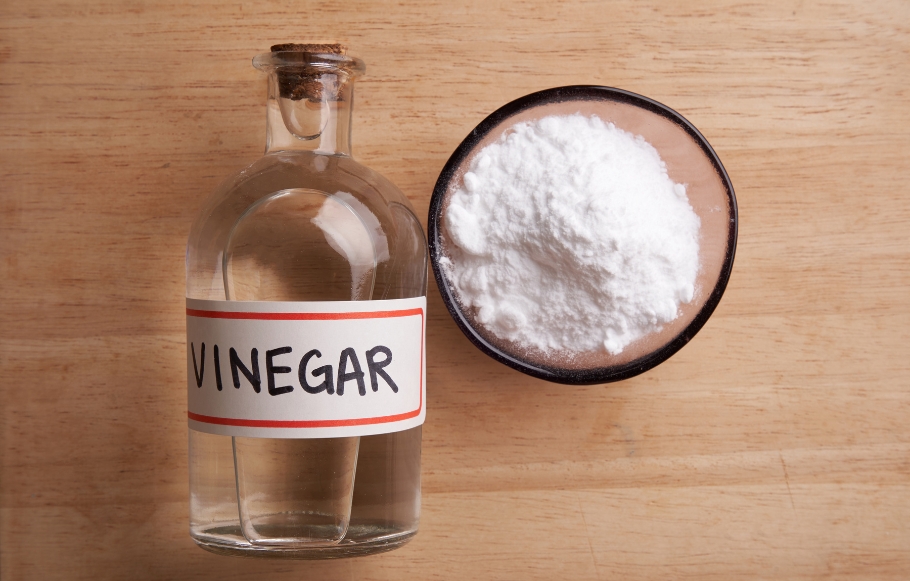
1. Vinegar.
- Helps dissolve limescale
- Useful for kettles, taps and shower screens
2. Bicarbonate of soda.
- A mild abrasive
- Helps neutralise bad smells
3. Citric acid.
- Another limescale descaler
- Great for kettles or coffee machines
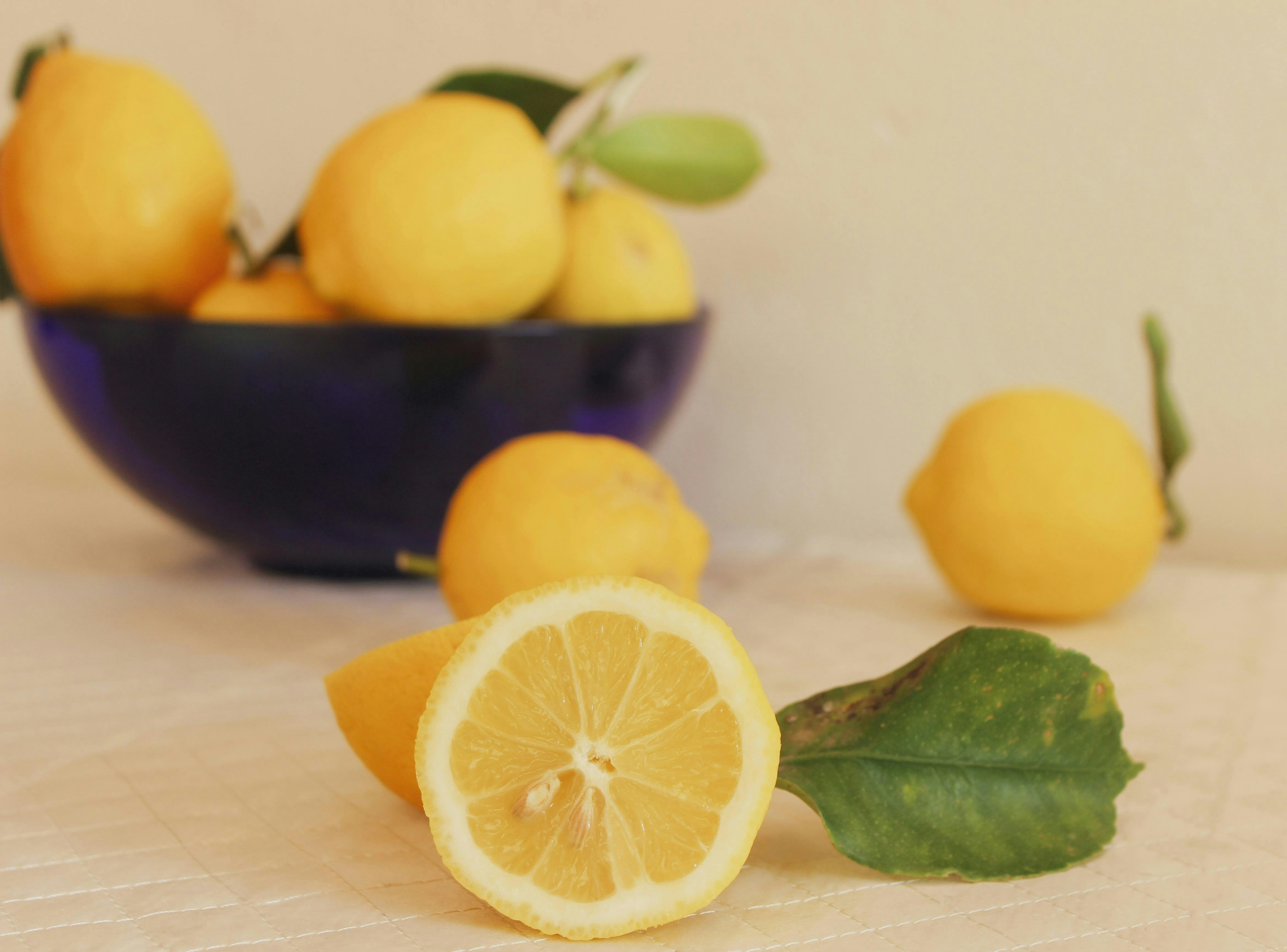
4. Lemon juice.
- Acts as a mild degreaser
- Can help lift light grease from surfaces
But they all have limitations because they:
- Won’t disinfect like specialist products
- May struggle with heavy grease or stains
- Aren’t suited to certain surfaces (vinegar can damage natural stone)
What cleaning chemicals actually do.
Behind every effective cleaning product are ingredients that have specific roles.
1. Surfactants.
Surfactants are the cleaning workhorses. They join up with water molecules and allow them to grab onto dirt, lifting it from surfaces so it can be rinsed away. Without them, we would mostly just be smearing grime around rather than removing it. You’ll find them in pretty much all smol products.
2. Enzymes.
Enzymes are very helpful in laundry detergents so we use them in our bio laundry capsules, stain gel and bio laundry liquid. They help break down stains (even at low temperatures).
3. Water softeners.
In areas with hard water, minerals get in the way of the cleaning so water softeners help the detergents to work well.
The real problem? Unnecessary chemicals.
The biggest issue with many cleaning products is that they use ingredients they don’t need to:
- Unnecessary antibacterial agents
- Excessive fragrance loads
- Certain long-lasting synthetic chemicals
- Foaming agents
At smol, we focus on doing more with less:
- Choosing ingredients that actually clean
- Avoiding unnecessary extras
- Using smaller doses via concentrated formulas
- Designing products that reduce waste
Smarter cleaning that’s heavy on dirt, lighter on the planet.
Cleaning without chemicals FAQ.
Dip your toes into cleaning that’s heavy on dirt, lighter on the planet with our Essentials Bundle.

Nay Gulsan, Regulatory & Compliance Manager
Nay is smol’s Regulatory Expert, specialising in regulations, safety, formulation and detergent science. She started her journey as a formulation chemist and has since conquered the technical field from toiletries, detergents and home fragrance. A nerdy know-it-all, passionate about doing the right thing, Nay is the expert in this space.
ABOUT OUR AUTHORS